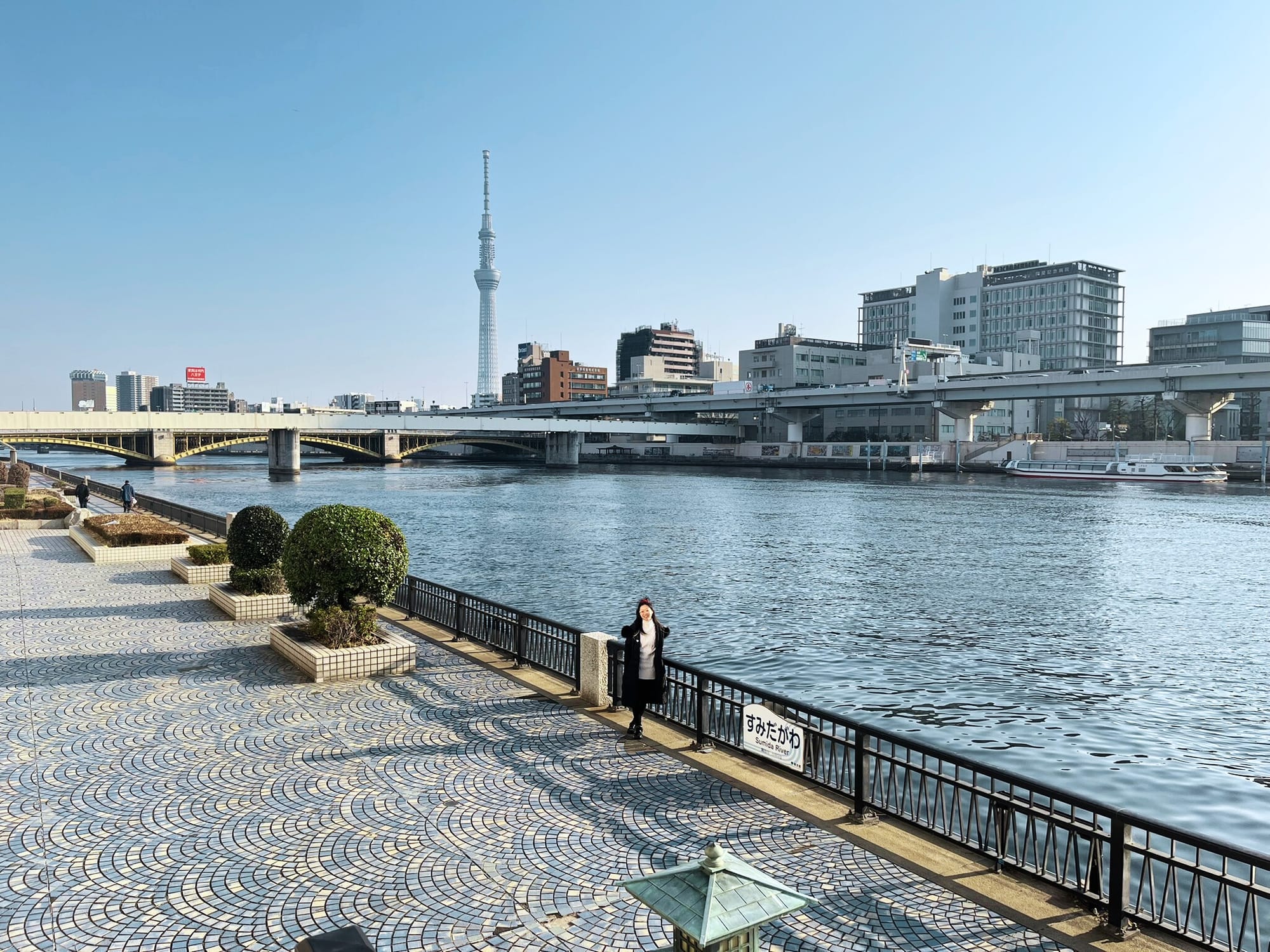
Tokyo Travel Tips: A Chinese Visitor's First-Time Experience
Ah, Japan.
Land of the Rising Sun.
Onsens and forest bathing.
Beauty and ... clean toilets!
It'd been my dream to visit Japan since I was a middle schooler caught up in the world of Mermaid Melody, Jpop idol groups, and online scanlations – not to mention the years of watching Cardcaptor Sakura, Sailor Moon, and Fushigiboshi no Futago Hime before that (wow, that last one is a mouthful).
For various reasons, it never happened. Well, money was always the main reason – when you grow up low-income, an out-of-town vacation is hard to come by. But we lived in China for six years during my schooling! What about those years, when I could've skipped across the ocean in two hours to visit Japan? Let's just say that none of my immediate family members are big into international travelling, and there wasn't much a 14-year-old girl could do about that at the time.
Then we moved back to North America, and Japan seemed like a universe away. Finally, finally, in 2025 on our way back to China for the first time in eleven years, we planned a stopover in Tokyo. We also planned one for the way back!
I was beyond excited. Tokyo was both everything I'd expected and nothing like what I'd expected.
From the perspective of an ethnically Chinese first-time traveller, here's what I noticed in five days, and my personal tips and tricks.
The Toilets are Heaven-Sent
I thought I'd be raving about the anime bookstores and the neon lights and the idol cafés once I returned from Tokyo, but to this day, what sticks in my mind the most are Japanese public toilets.
It hits you as soon as you exit the airport ramp. You walk into the toilet, and everything is squeaky clean, not a speck of dust to be found. Plus, it's common in Tokyo for every stall to have a bidet (i.e. those fancy toilets that can clean your bottom with spurts of water).
For an extra touch of luxury, I treated myself to the large accessible washroom and played around with the lovely music (ahem, modesty) button for covering up undesired sounds during number two's – or even number one's, if you're sensitive.
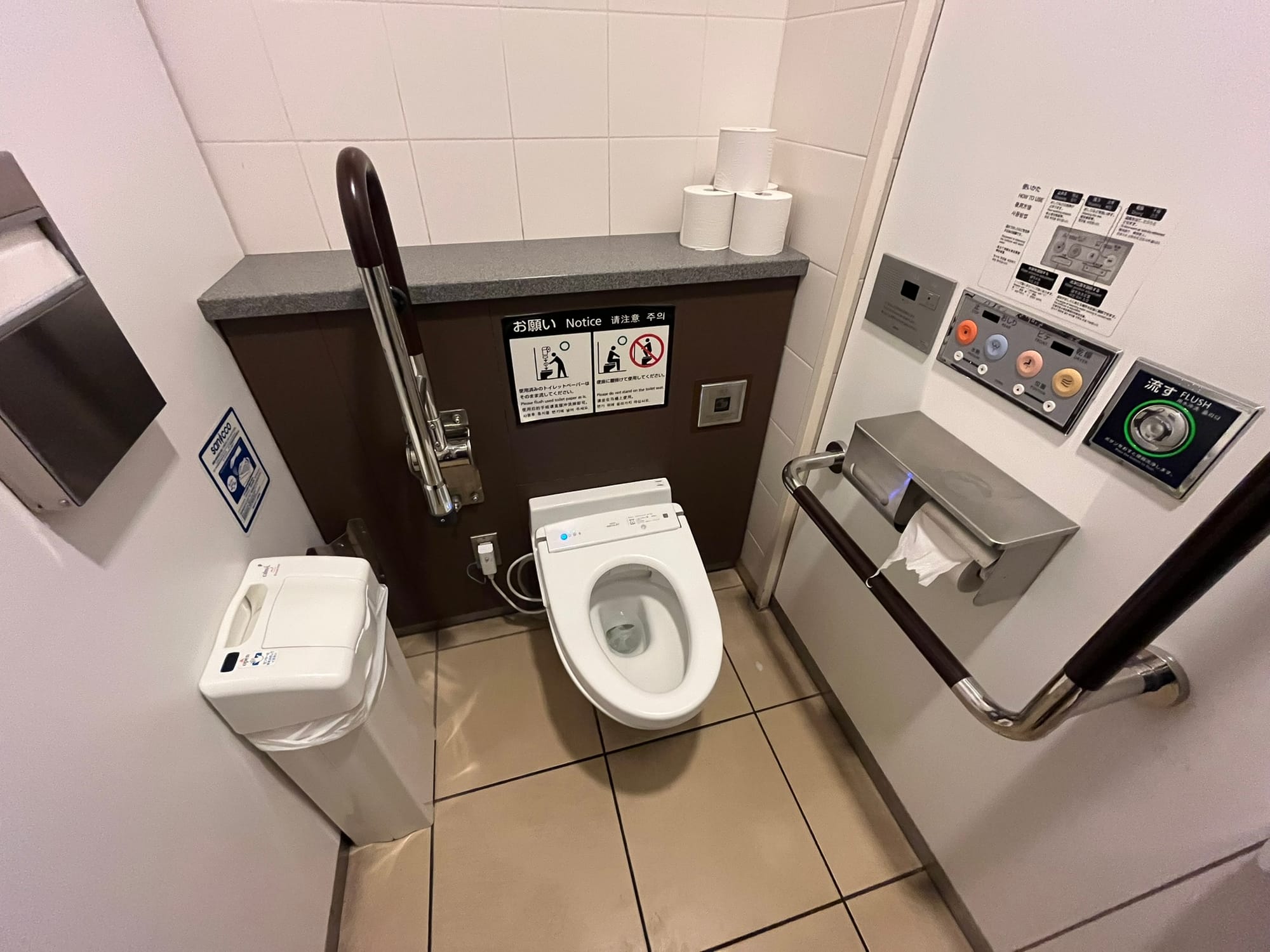
I never tried the music button in the regular stalls. I'm not sure how I'd feel if I suddenly heard bird chirps and elevator music streaming from the stall next to me.
And it's the same everywhere else in the city. It doesn't matter if you step into a random washroom on an old subway platform; the inside is clean, modern, and undeniably safe and convenient.
These toilets are manufactured by the famous Toto brand, super expensive internationally but cheap in Japan because that's where they come from! The aforementioned bidets are their most valued design, the Washlet.
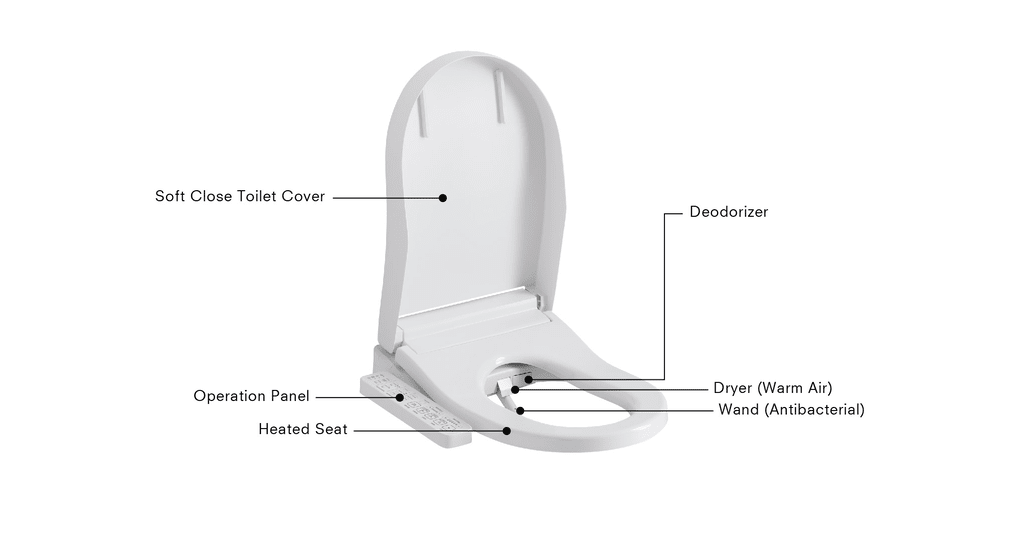
The Airbnb my mom and I stayed in also had a Washlet, and I can't tell you the giddy shriek I let out when I, again, playing with the toilet, nervously turned on the washing option for the first time while my mom laughed at me from outside (she'd done this before).
Then I tried the bum dryer, the seat heater, and...
I wanted to know how the bum-washing worked, so I stood up to face the toilet, pressed the "wash" button, and watched as a little wand pushed out from underneath the top edge of the toilet bowl and sprayed me all over with water. My mom got even better laugh at that.
It's not just that these toilets are innovative. Having a sanitary place for excretion directly impacts quality of life, especially for women. I'd argue it's a humanitarian initiative.
I've also heard of the "transparent" glass washrooms in public parks and corners that you hit a button to turn the walls opaque with. I didn't notice any this time round, and I certainly didn't try one, but I'd be willing to experiment in the future. Just be sure you have a companion on the outside to keep watch. People sometimes forget to hit that button...
Homes Smaller than My Bedroom
Japan takes "tiny home" to a whole other level, and our Airbnbs in Tokyo were no different. From the outside, they looked like regular multistoried apartments. The stuff of anime neighbourhoods. Inside, we realized they were specially renovated as a rental business, with groups of travellers behind every door.
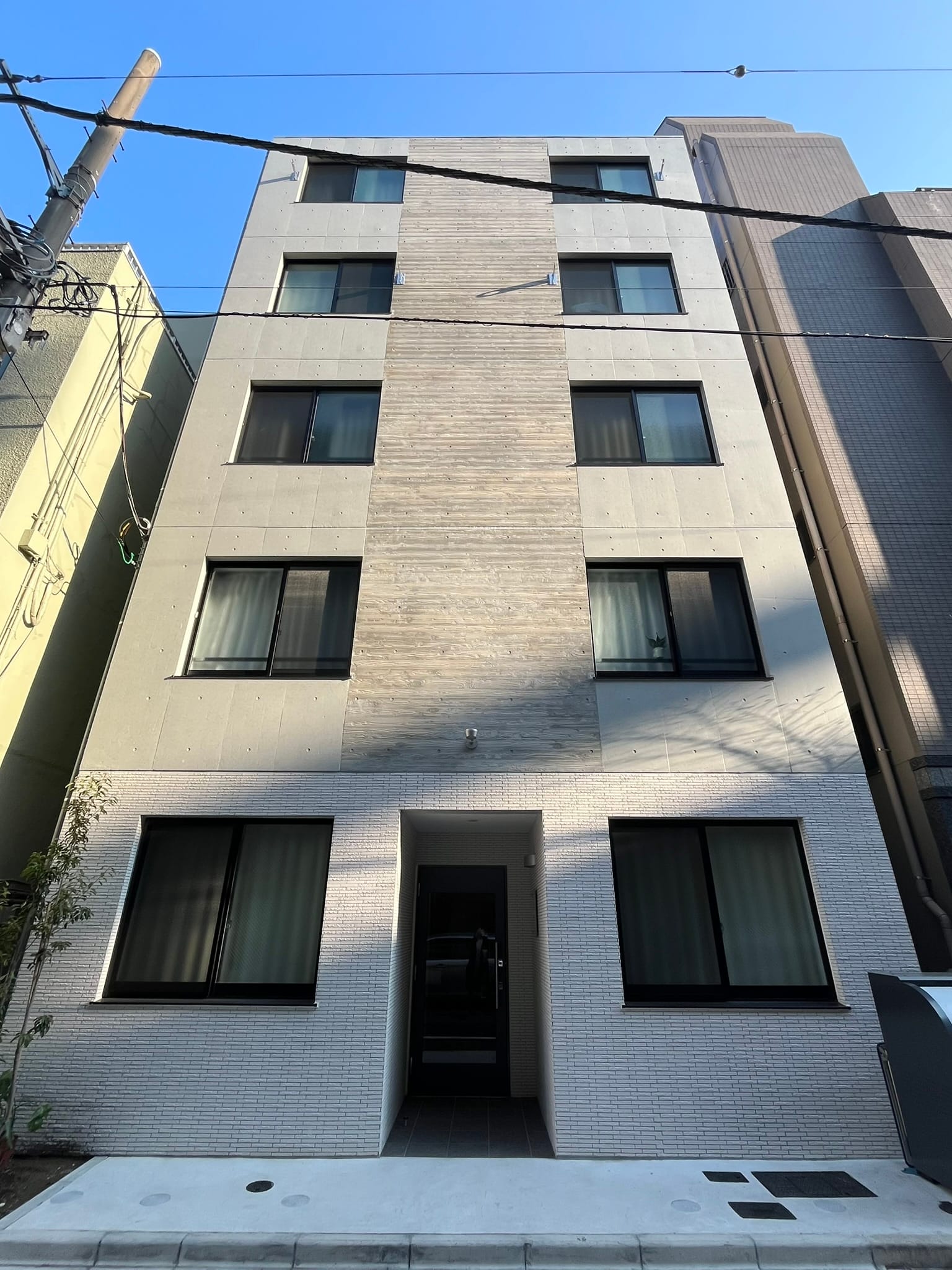
(P.S. Japan's Airbnb business is ludicrous and highly systematic. One can invest in an Airbnb property and hand it over entirely for a local manager to take care of. People are in this business full-time.)
Our room on the return leg – including bed, kitchenette, fridge, toilet, shower, sink, washing machine, closet, and living area – totaled only 25 m². Yet, it was surprisingly comfortable. After a few nights, we realized it was entirely feasible to live like this long-term. Of course, it was clean as a sheet.
You already know the toilets are next-level, but Japanese shower rooms are just as amazing. There's a panel of buttons outside the room, allowing you to steam and/or warm up the room first and also trigger the "dry fan," which effectively sucks all the humidity out of the room – great for hanging laundry. Our clothes were dry in as little as twenty minutes.
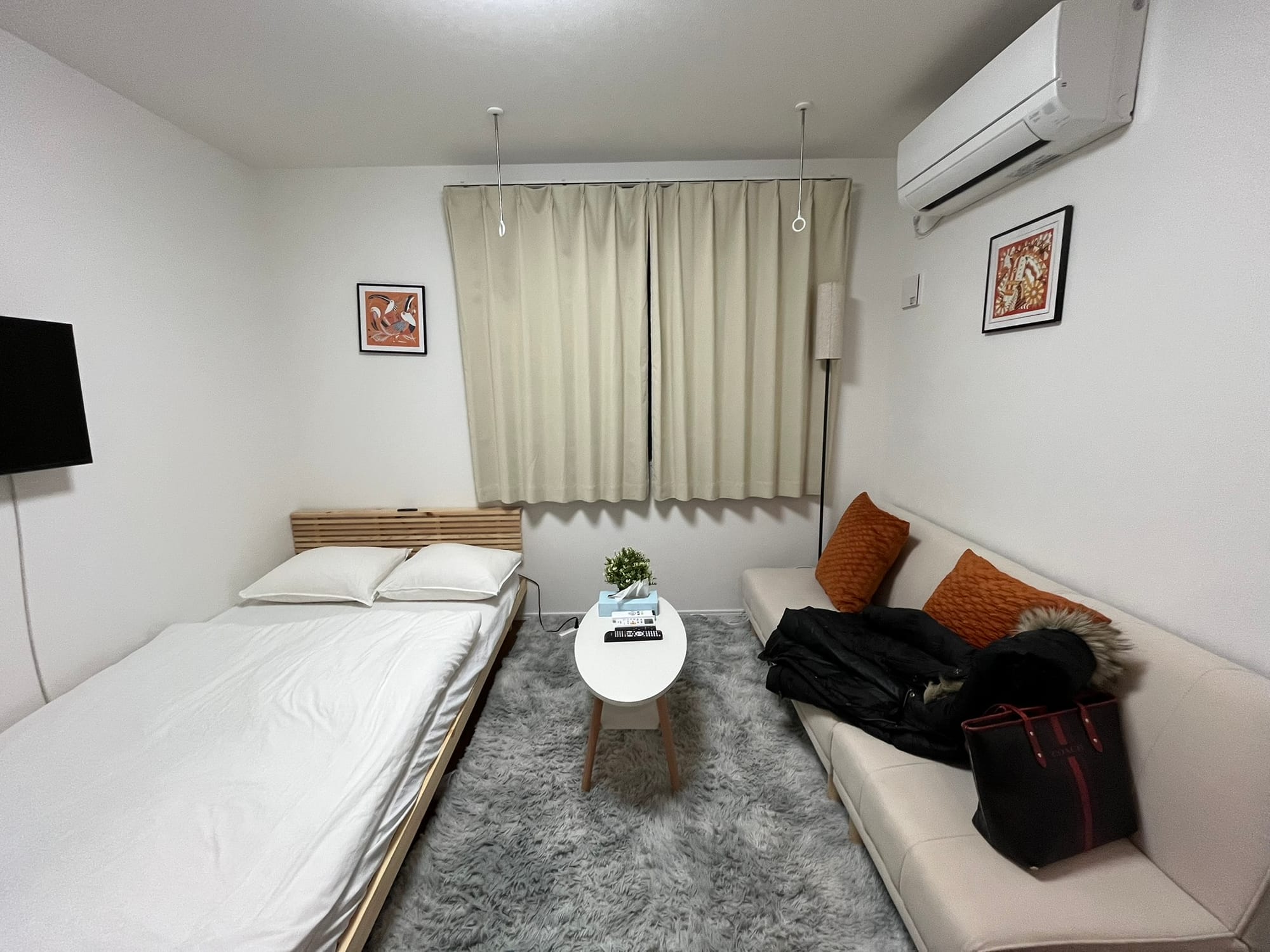
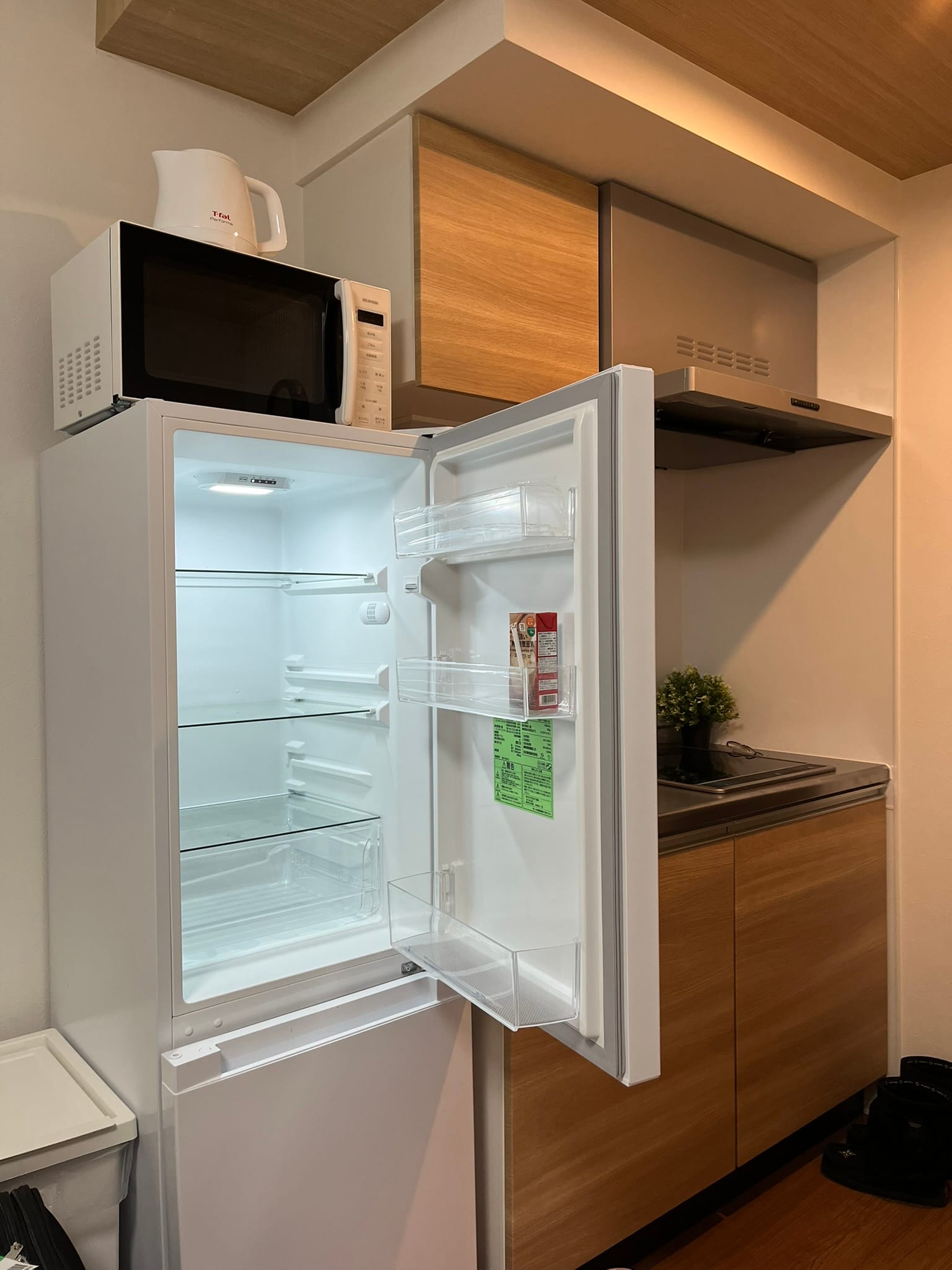
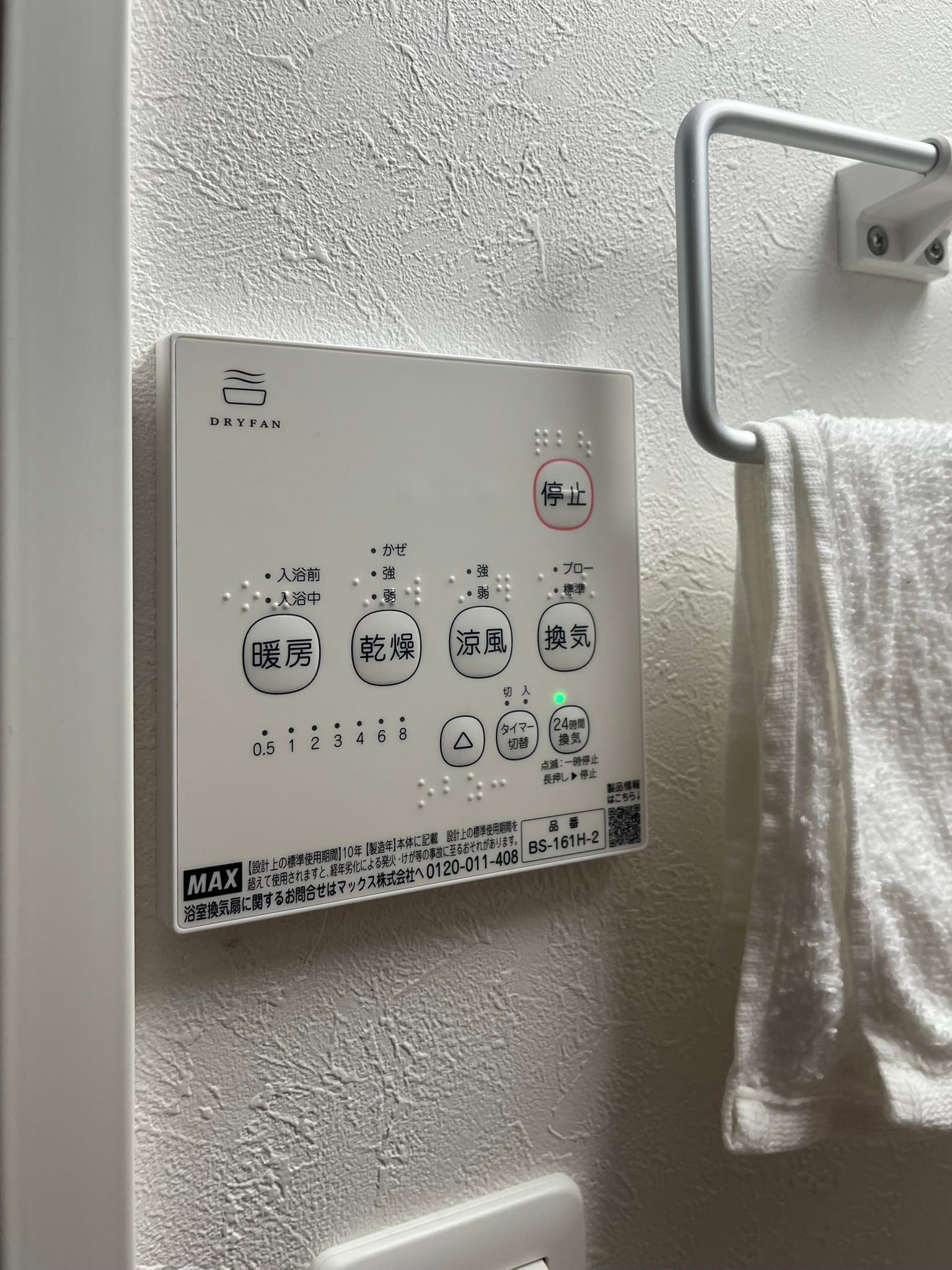
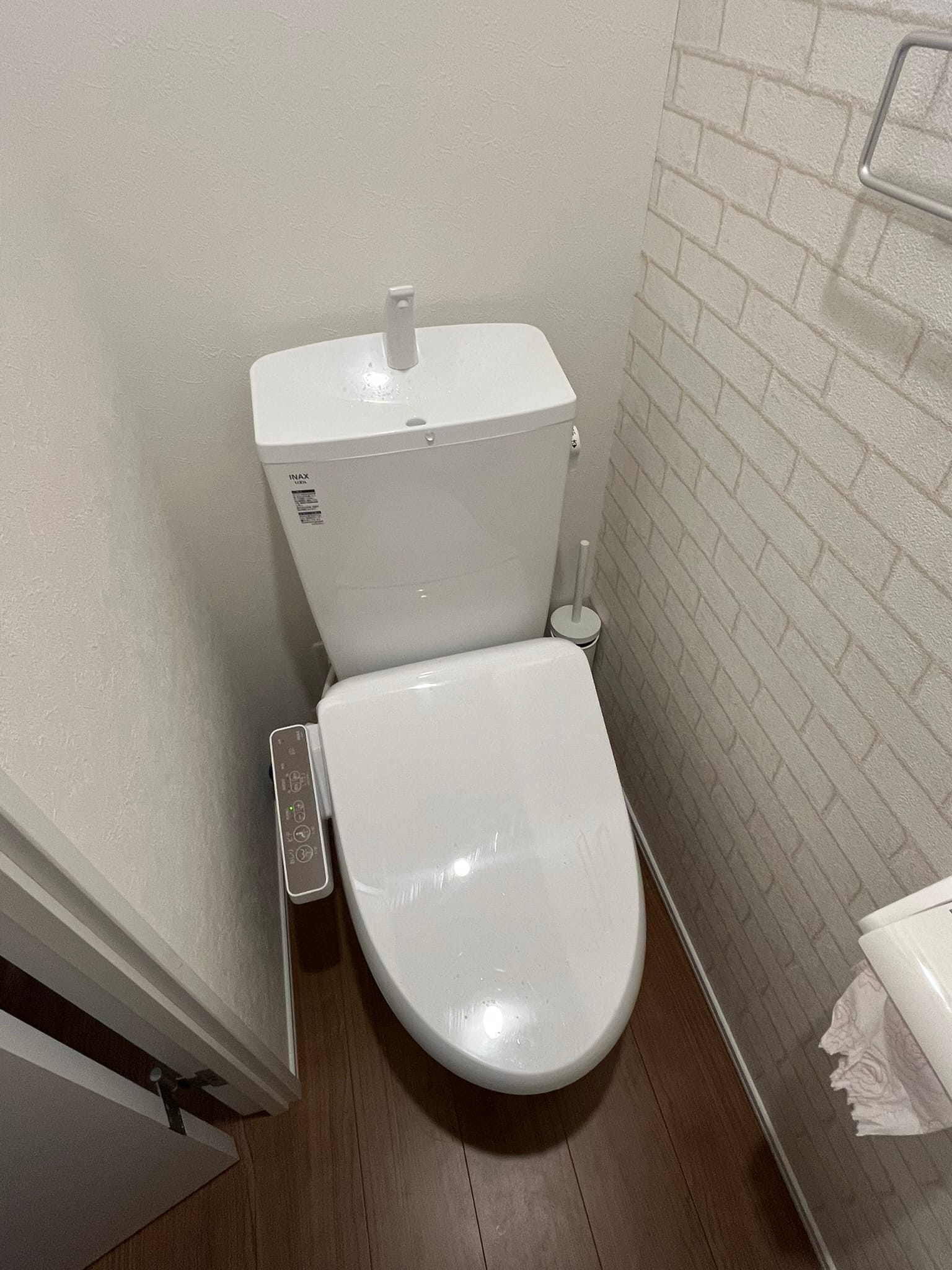
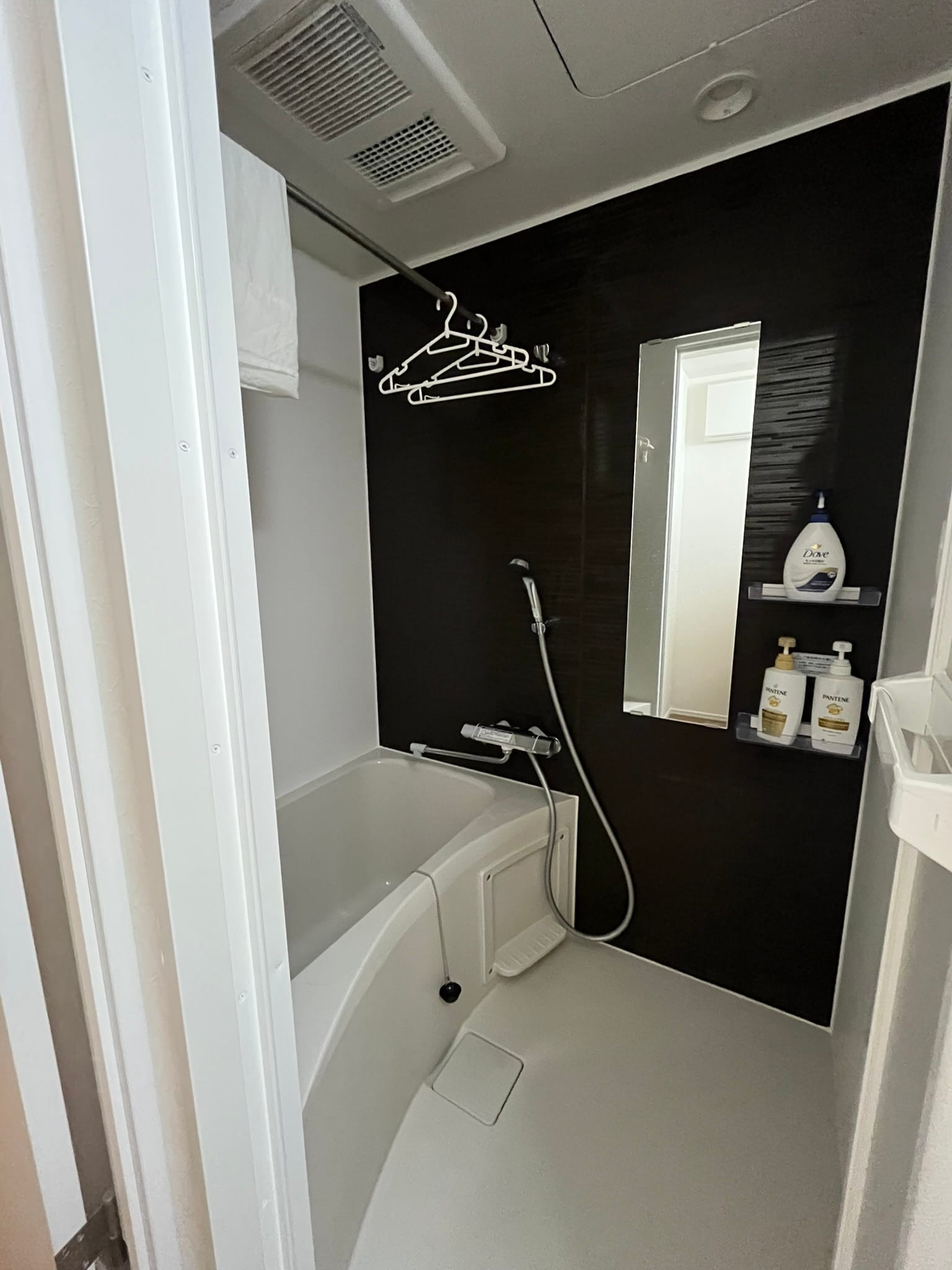
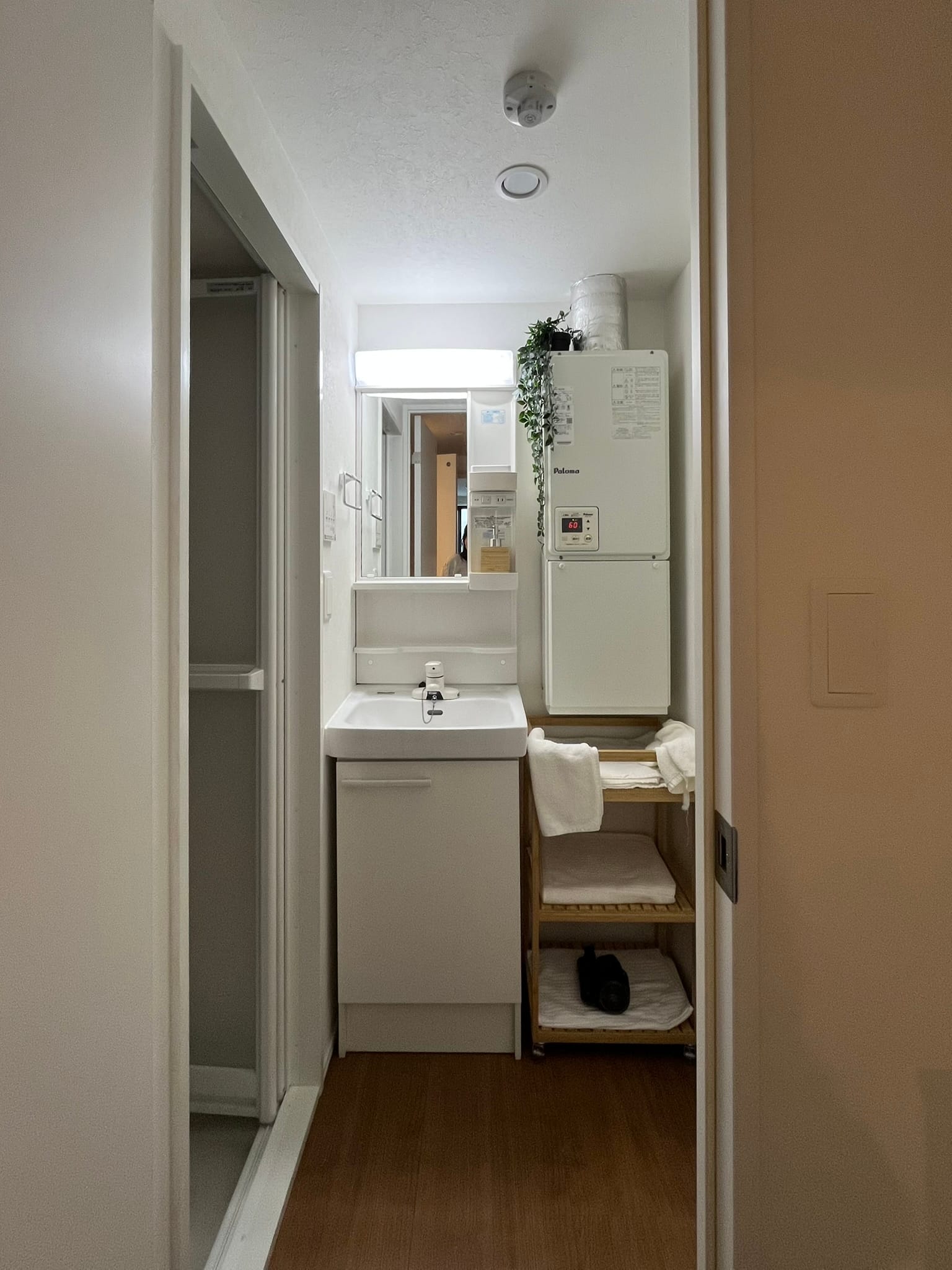
The cotton bath towels and bedsheets were supremely soft and luxurious. If you're looking for lifestyle products, Japan is the place to shop.
No Building is Too Tall
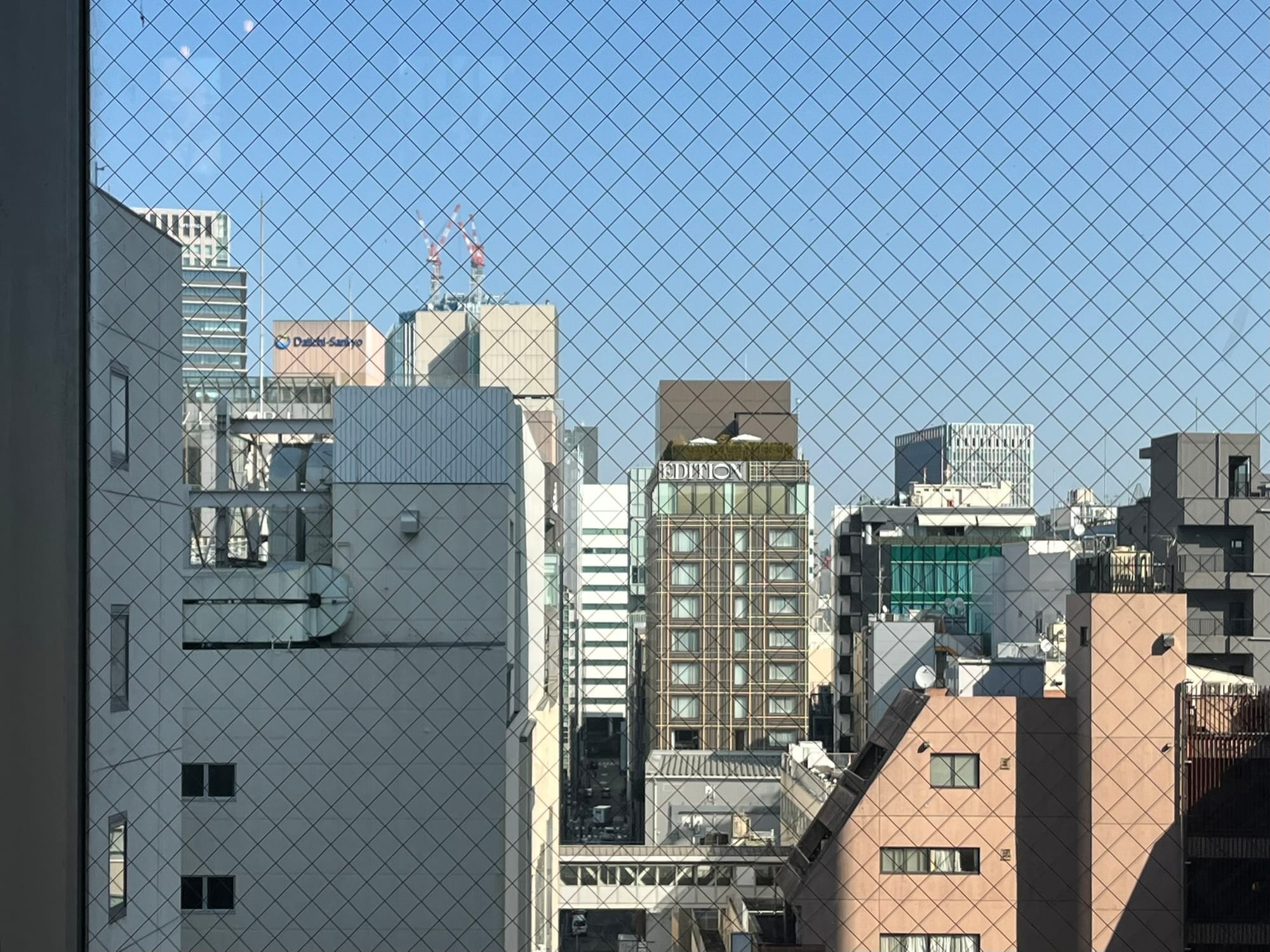
Japan on a whole is undoubtedly a superpower in technology and infrastructure, but you'll notice everywhere you go that they don't really have skyscrapers, not the kind you see in North America.
This is fundamentally because Japan lies within an earthquake zone, therefore buildings can't be too tall; otherwise, they're susceptible to falling. Japan has learned its lesson many times in the past, and now their buildings are made to last: sturdy and exceptionally solid in foundation.
On a personal level, I really loved seeing the city like this. Jetting across the countryside on the train, I could see the beautiful sunset, even once we entered the city. There's an intimacy to living.
Tradition Lives Local
Throughout Tokyo, there are traditional shopping streets called shōtengai (商店街). Our Airbnb was located right next to one, the Happy Road Oyama Shōtengai. I loved it.
It has everything a local or traveller both could need, including breakfast cafes, multiple Family Mart's, dessert shops, clothing stores, a dollar store, food joints, gashapon, and my favourite Italian-Japanese fusion restaurant of all time: Saizeriya!!!
The street is a covered market, with local sellers displaying their freshly made mochi and pastries in the mornings to sell.
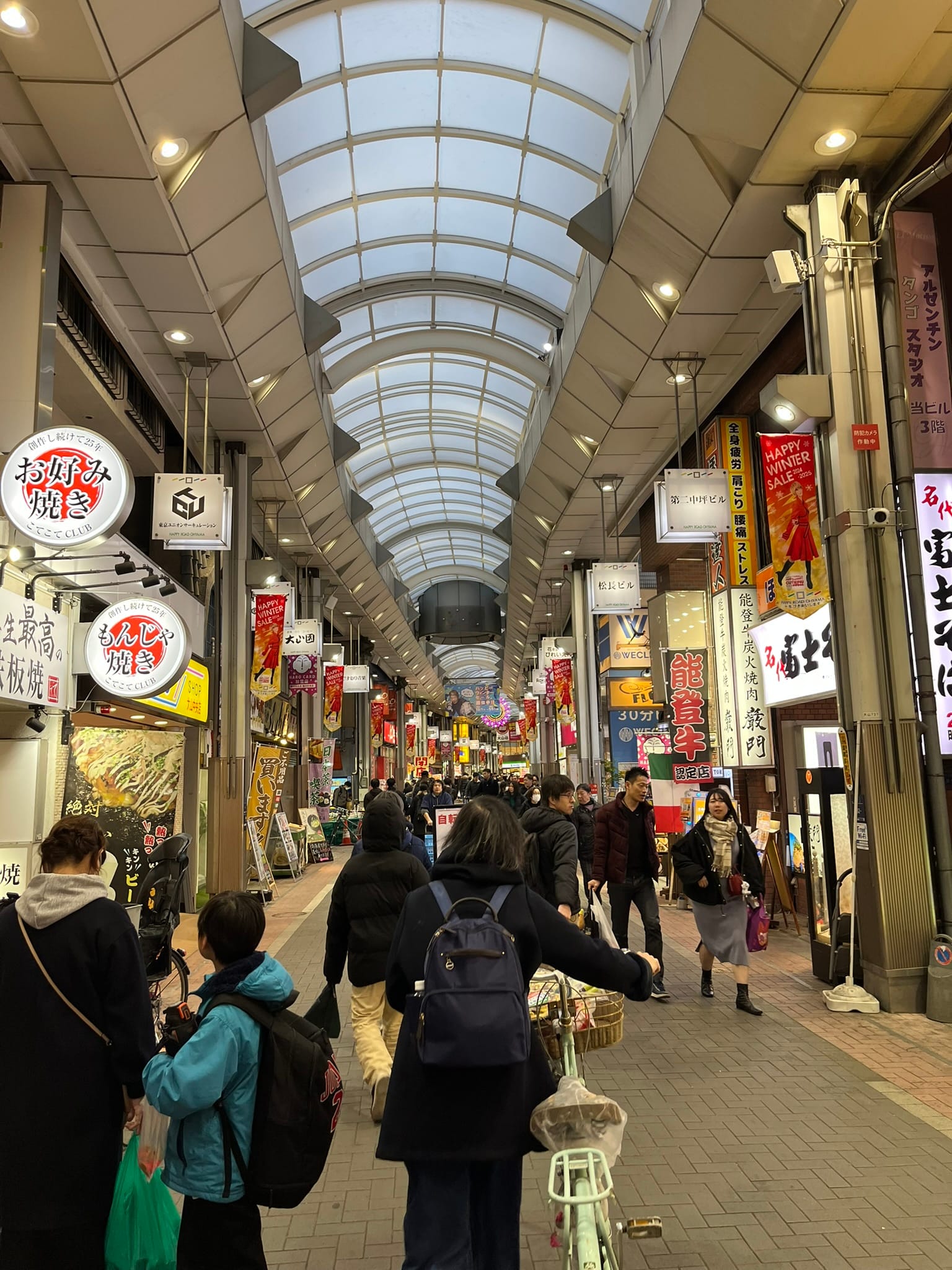
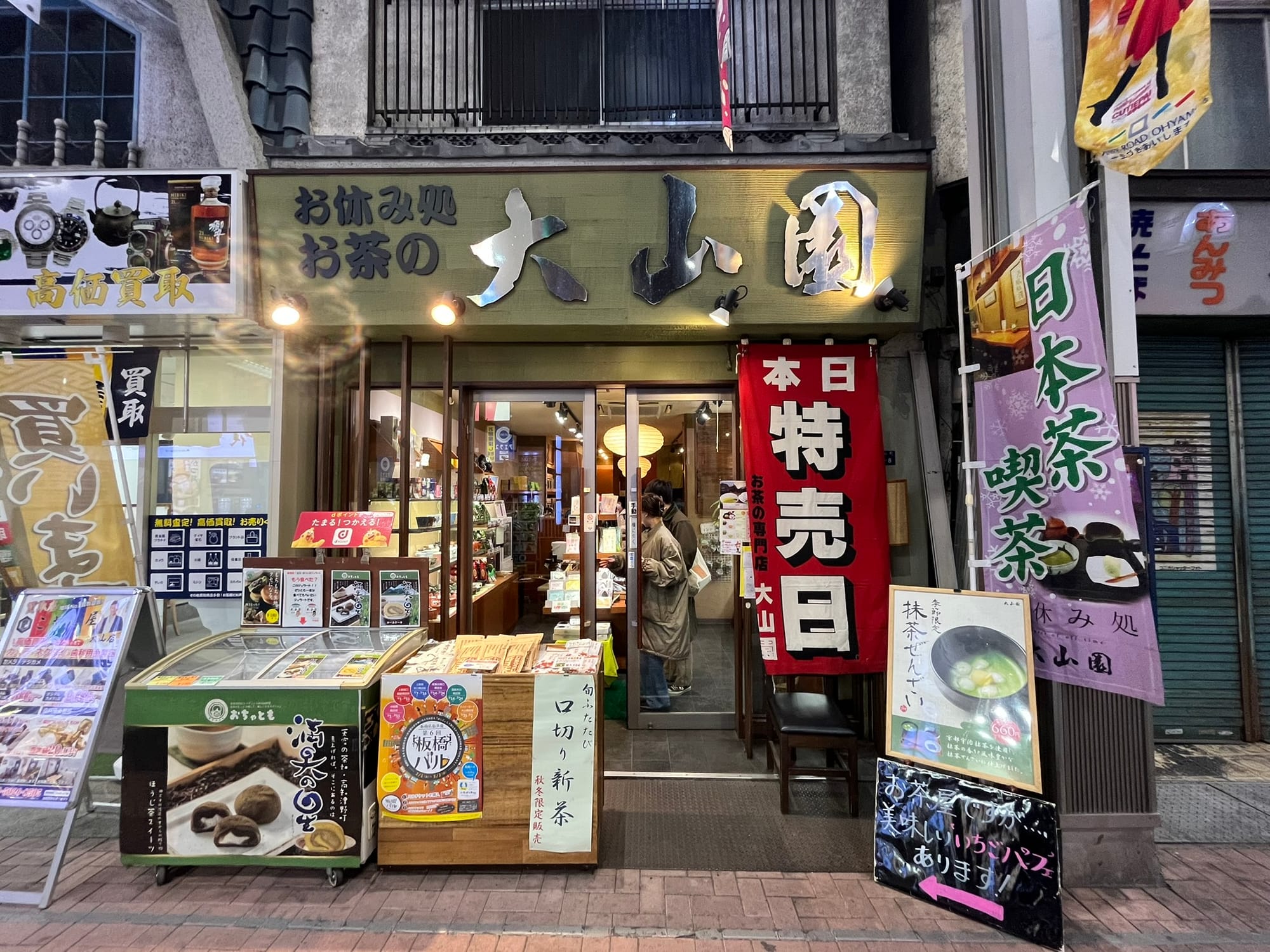
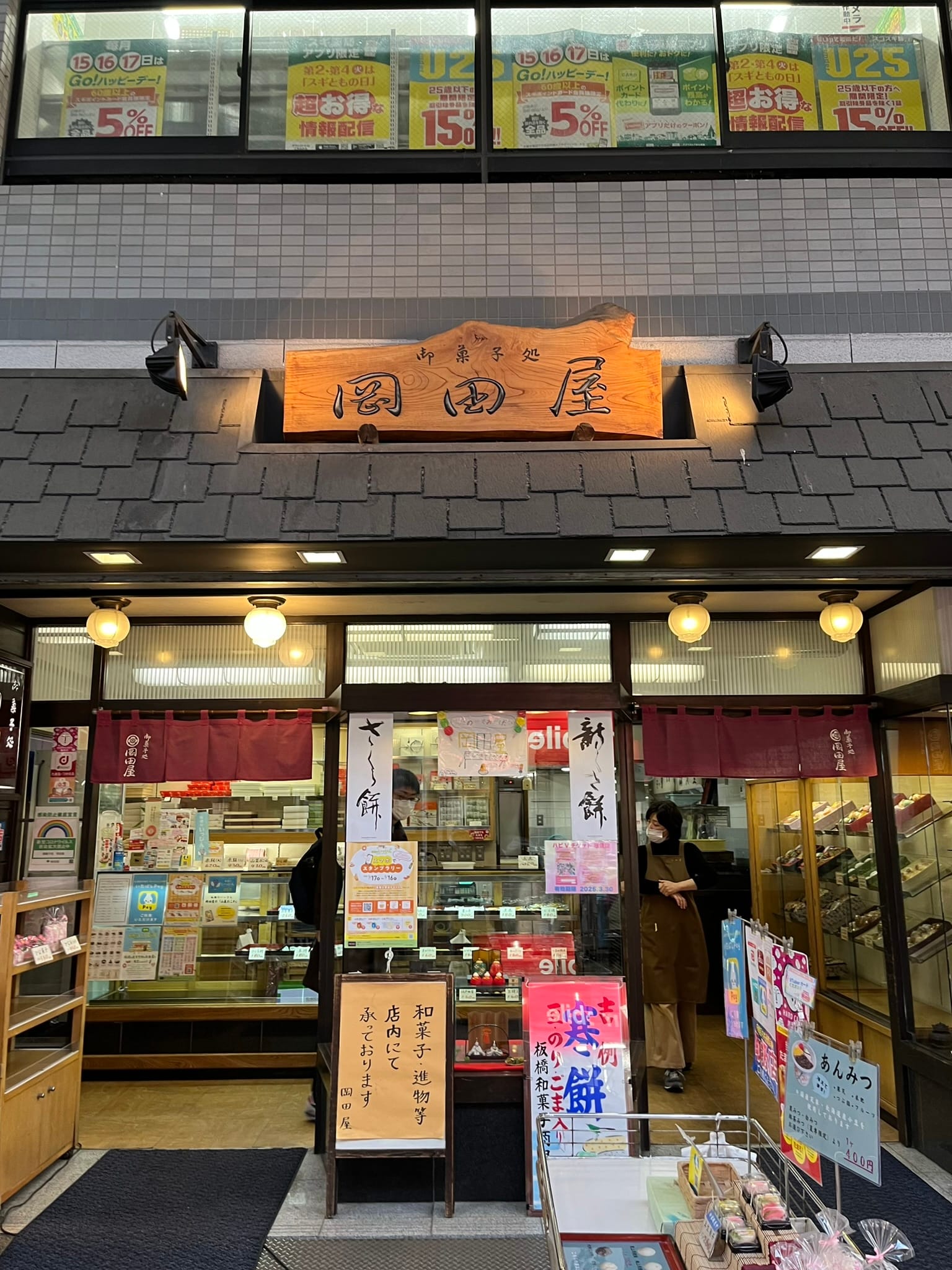
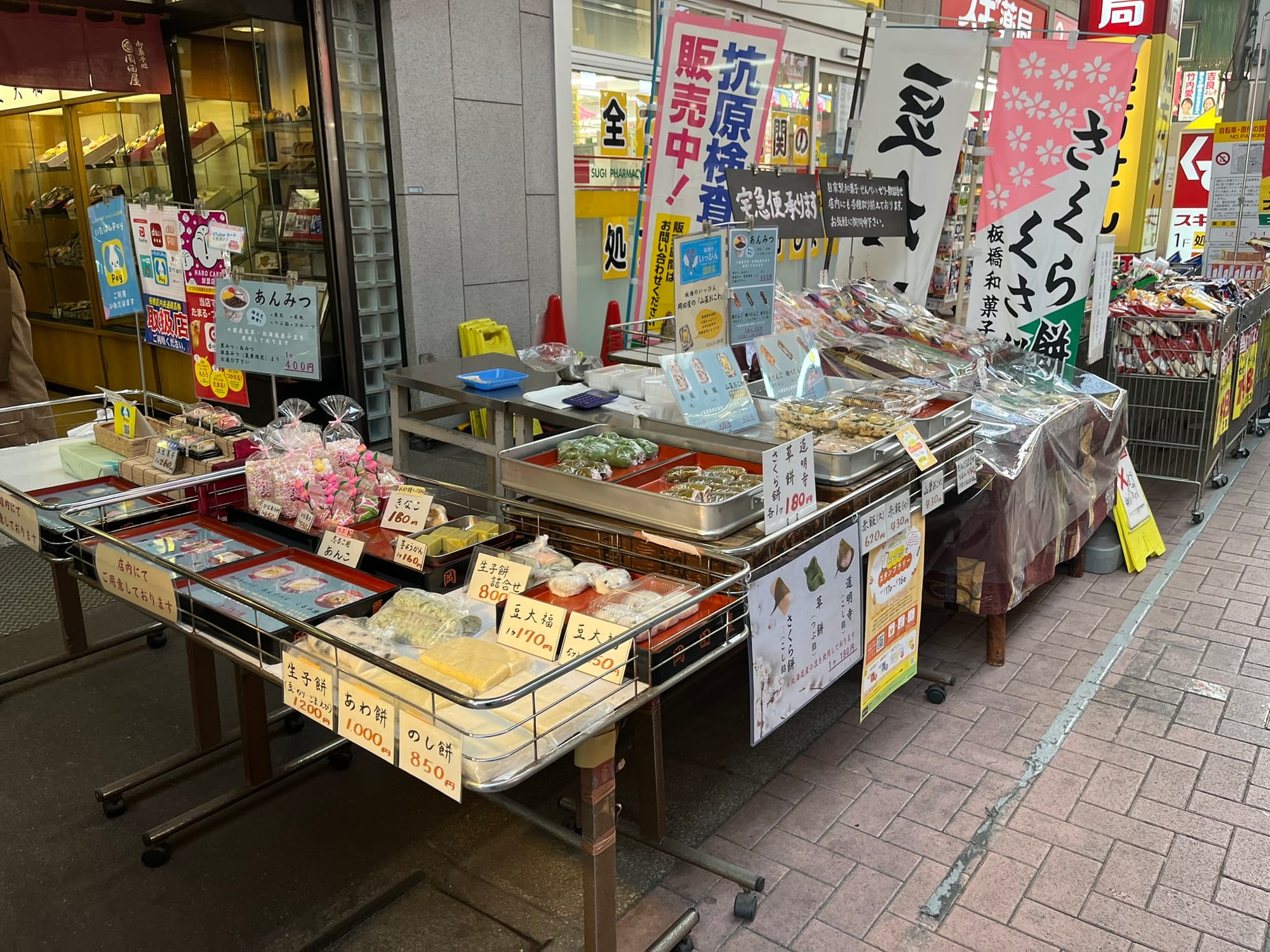
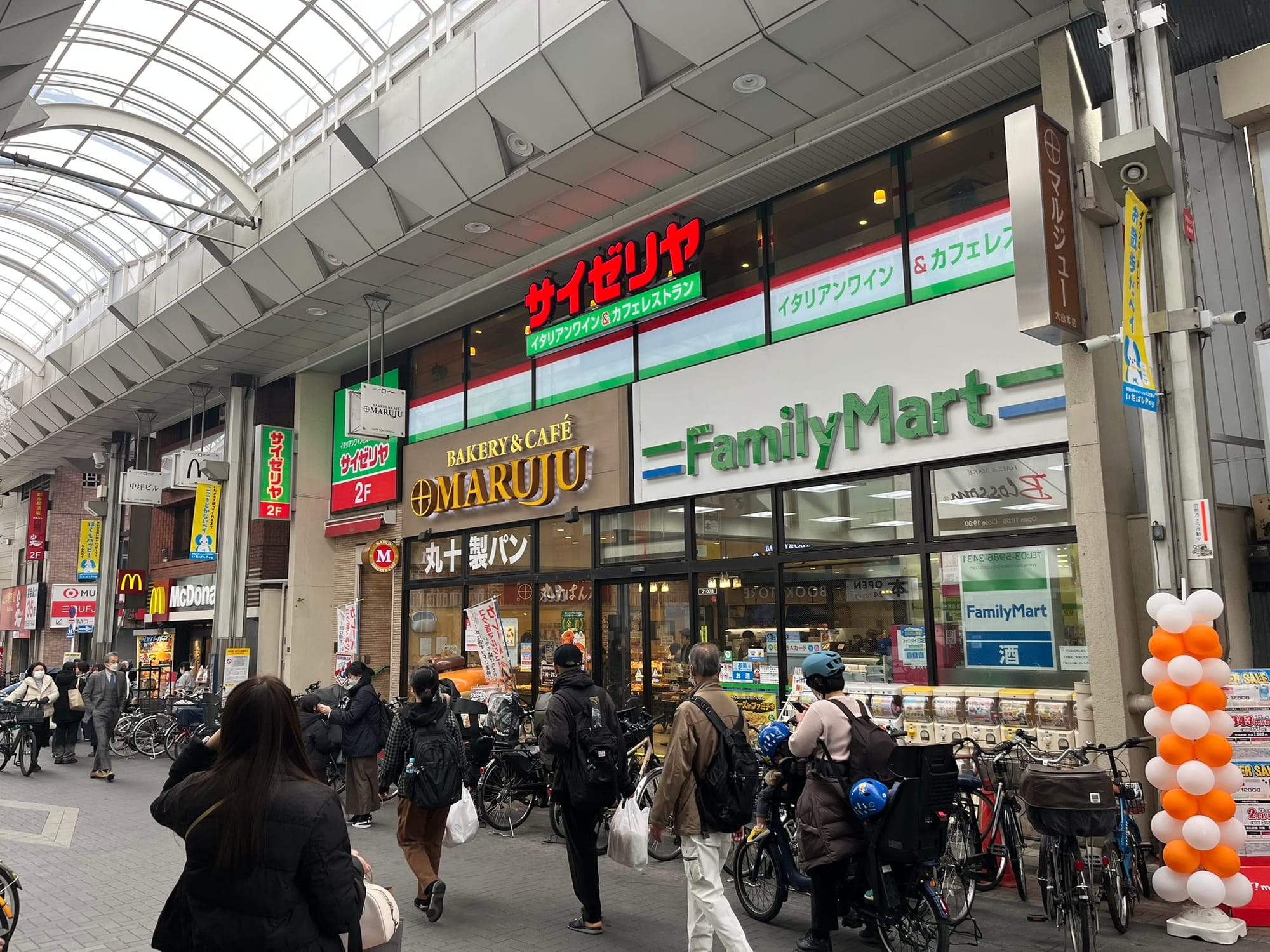
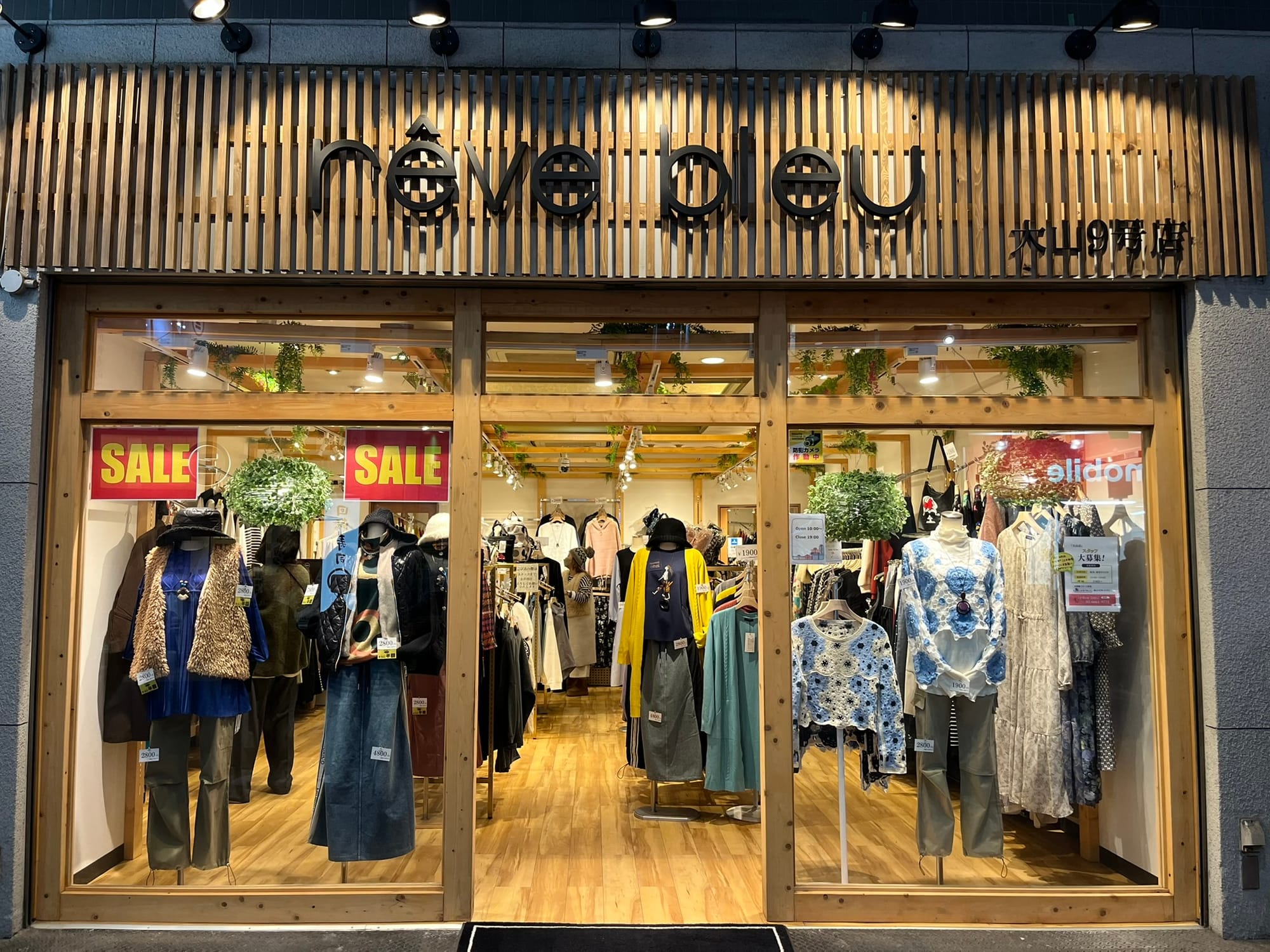
All the clothing was extremely affordable, and one discount clothing store in particular offered a selection of items for 10 CAD each (converted)! These items have slight defects, but most of them are barely noticeable or easily fixable if you're crafty.
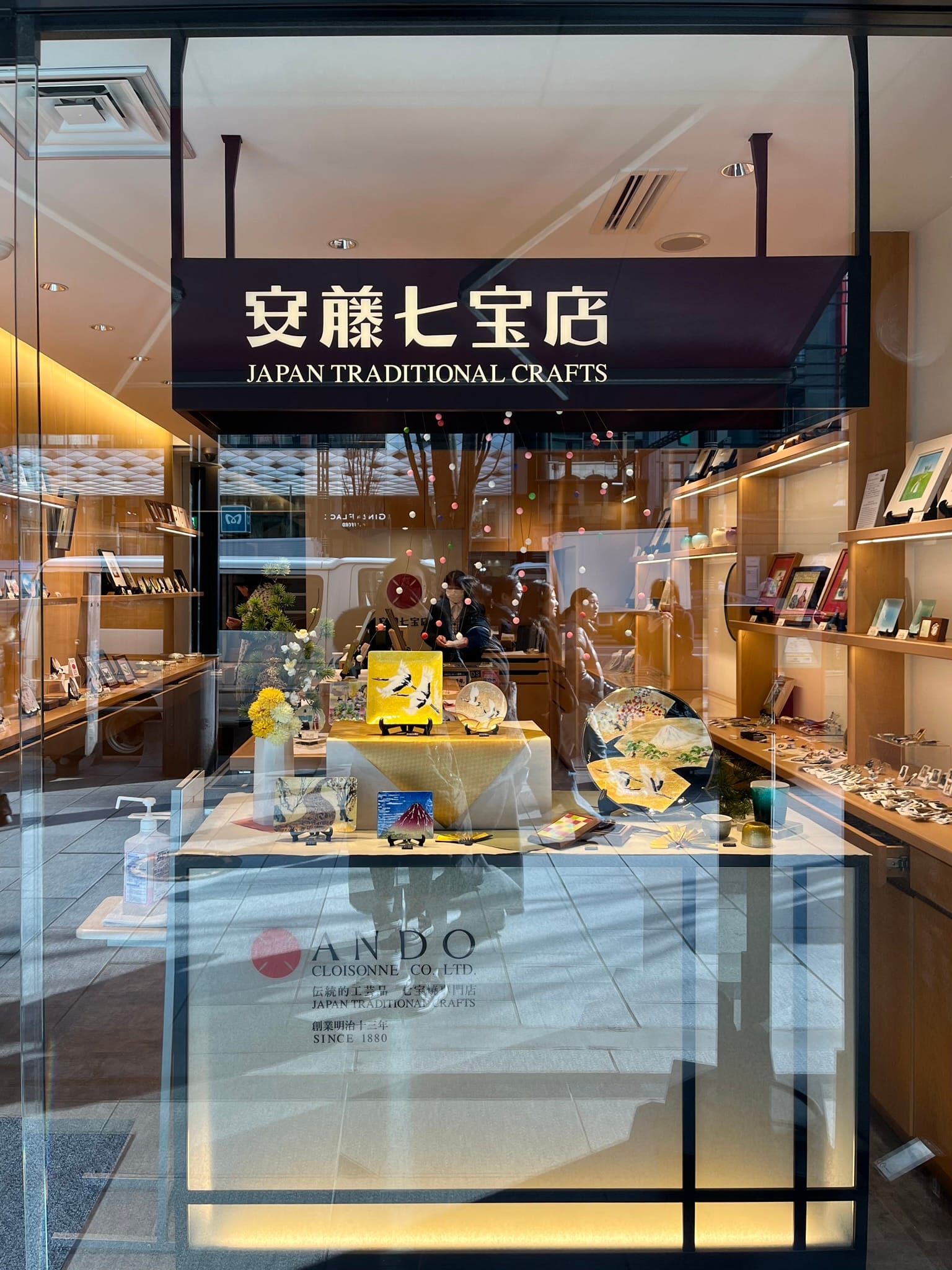
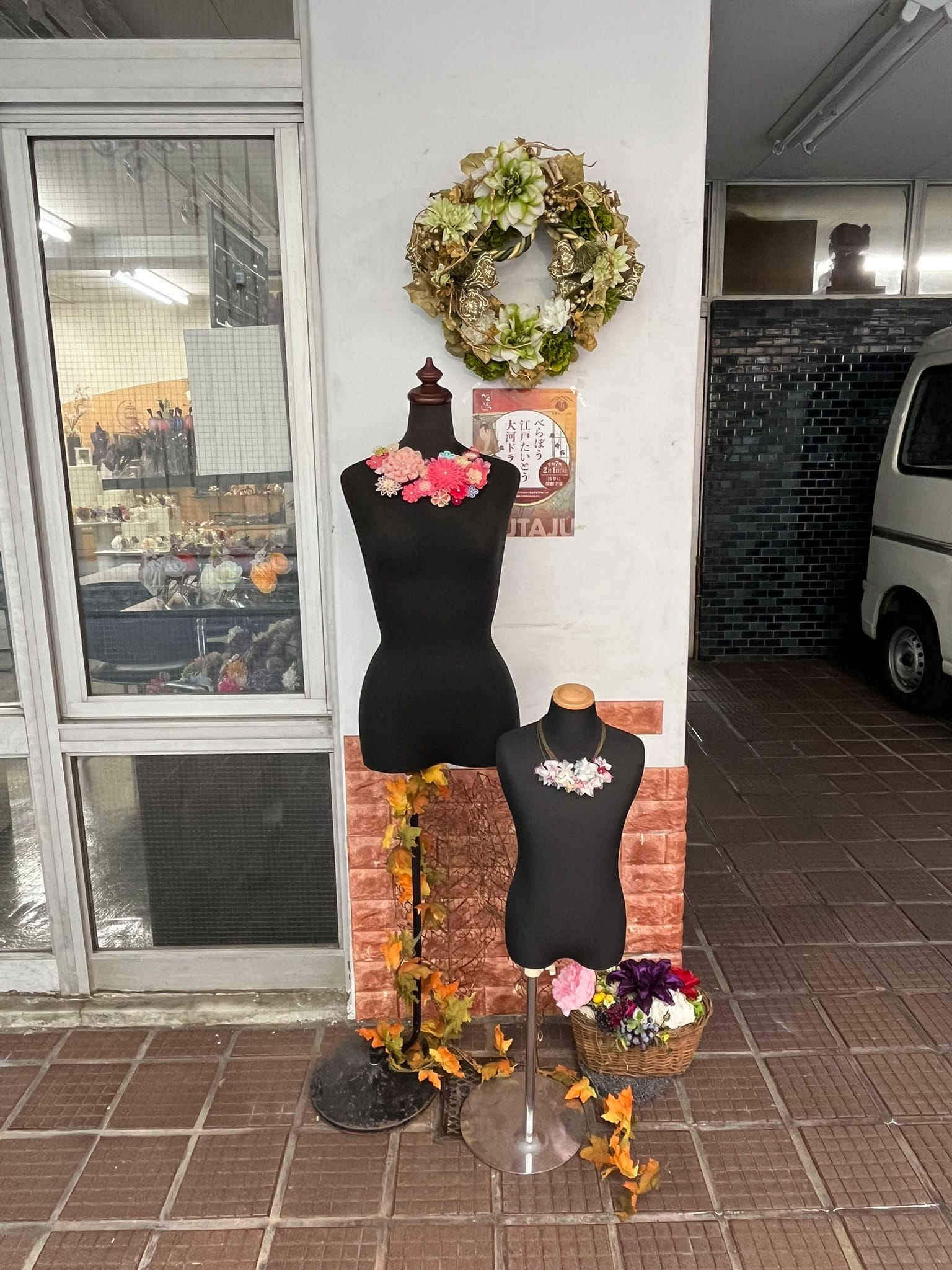
It's in these holdings of tradition where Japan's spirit lies, and all over the city you'll see homages to their most time-valued arts and crafts, like the famous Kabukiza Theatre in high-end Ginza or artisan stores lining the streets.
It's Exactly as Advertised (i.e. Aesthetic AF)
The thing that wow-ed me most about Tokyo (and, in extension, Japan) is how accurately it looks exactly like its anime counterparts and tourism commercial campaigns.
The side streets, the alleyways at night, the advertisements in the subway – all of it was like a sketch come to life, down to the very last stroke.

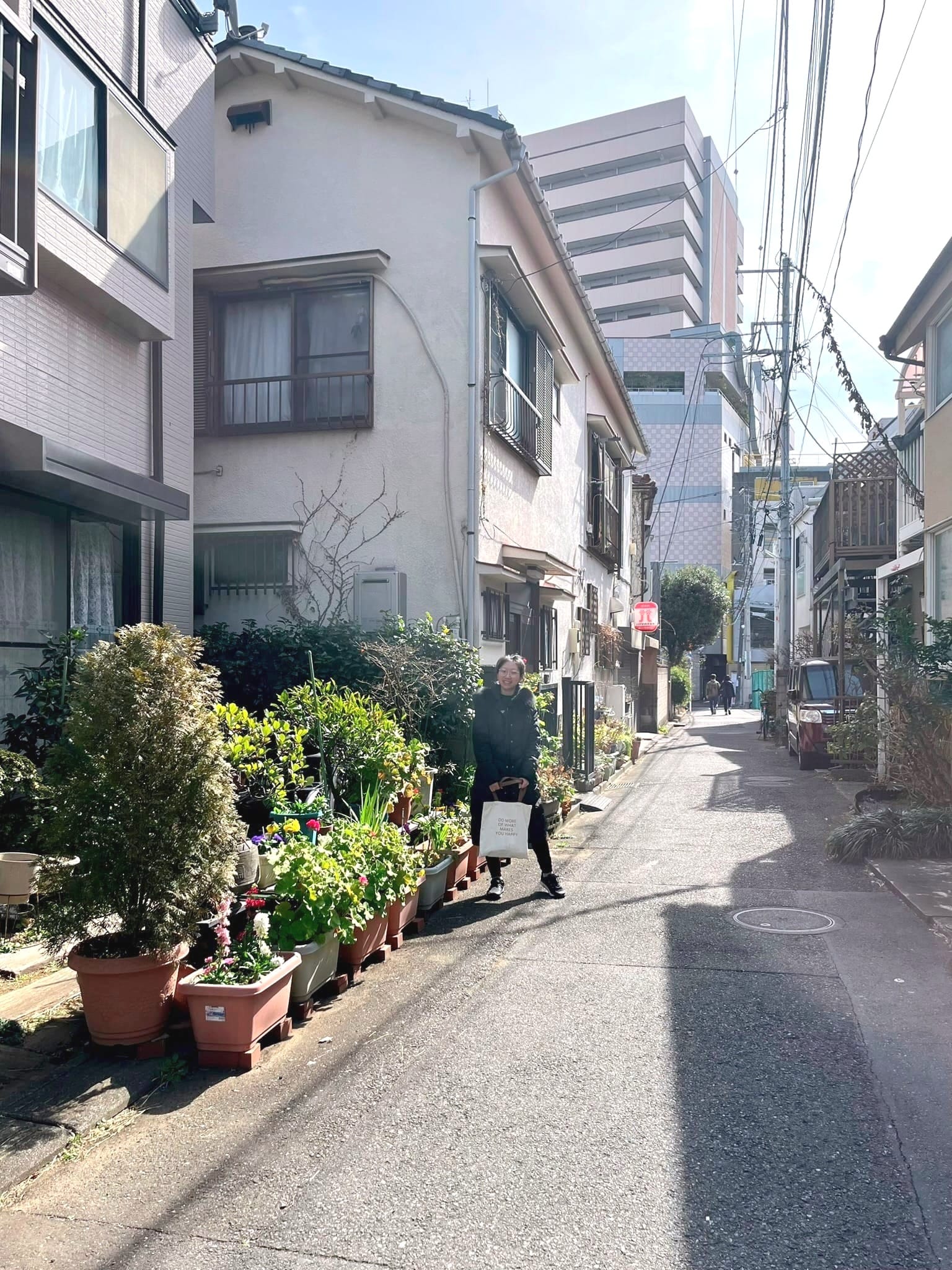

Anime has long been known to incorporate real places from Japan into its various settings, and I see now how true to life these settings are. Part and parcel.
It's very romantic, all of this. Some people take it further and photo-match settings in anime to their real-life inspirations. I know I can't wait to see sakura in full bloom one day.
City Sleek
After a few days, one thing stands out: Tokyo is sleek. Like, extremely sleek and stylish. One understands how Marie Kondo's folding became a worldwide phenomenon when you experience living in a city like Tokyo.
Even in the urban metropolis, you notice the architectural minimalism and efficiency everywhere. Symmetry and harmony pervade everything the Japanese do and design.
They're present in their buildings, their food, their clothing, their ideology. Every detail seems done to perfection, even while exuding a sense of old-timey cottage core. It's like the city is saying you can have your Michelin dinner and still eat your homecooked meal.
Even the older neighbourhoods give off a sense of cohesion. The houses are a little dingier (but still clean!), the apartments more squat. Yet, it just works.

They Love Their Vending Machines
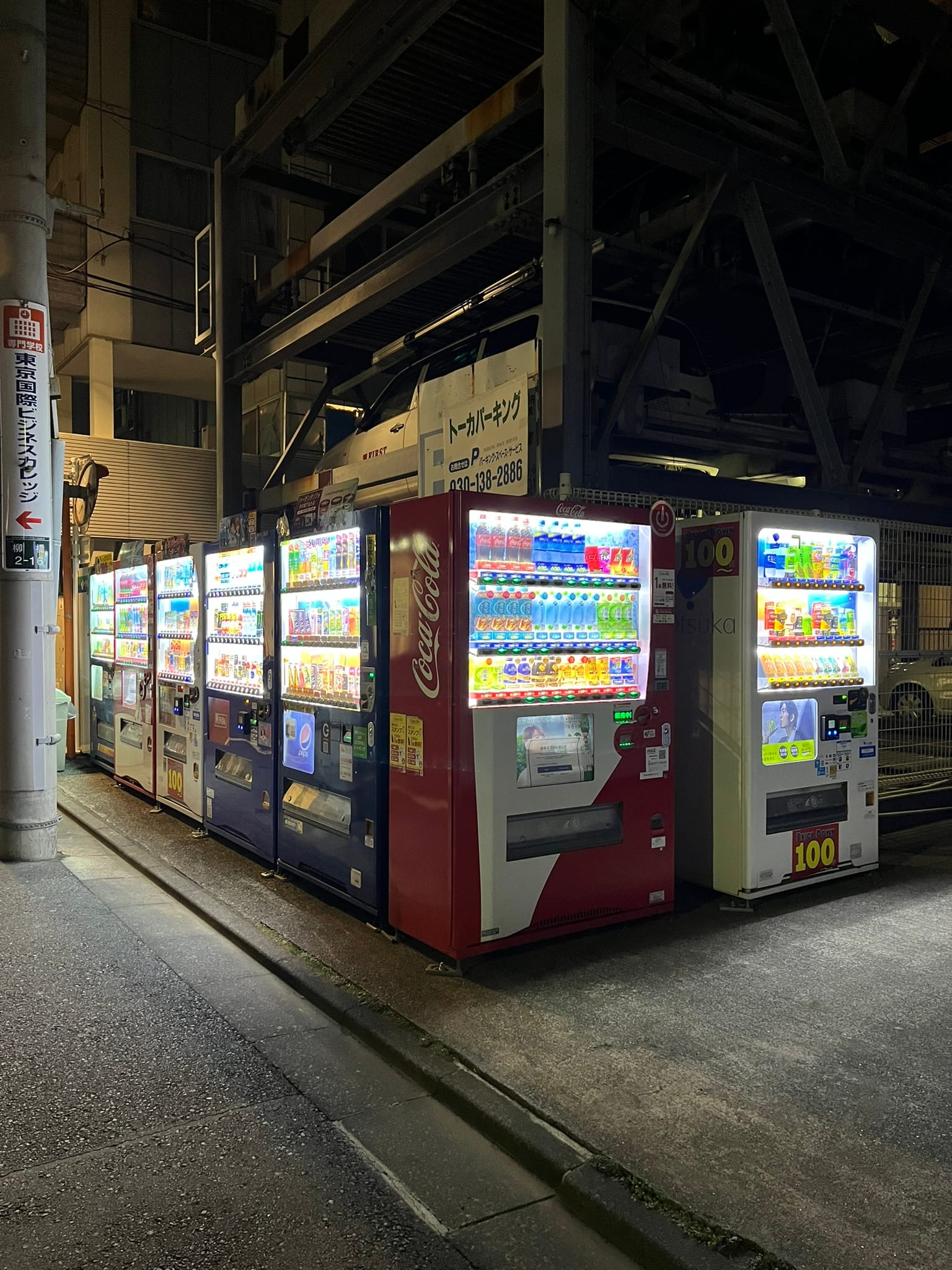
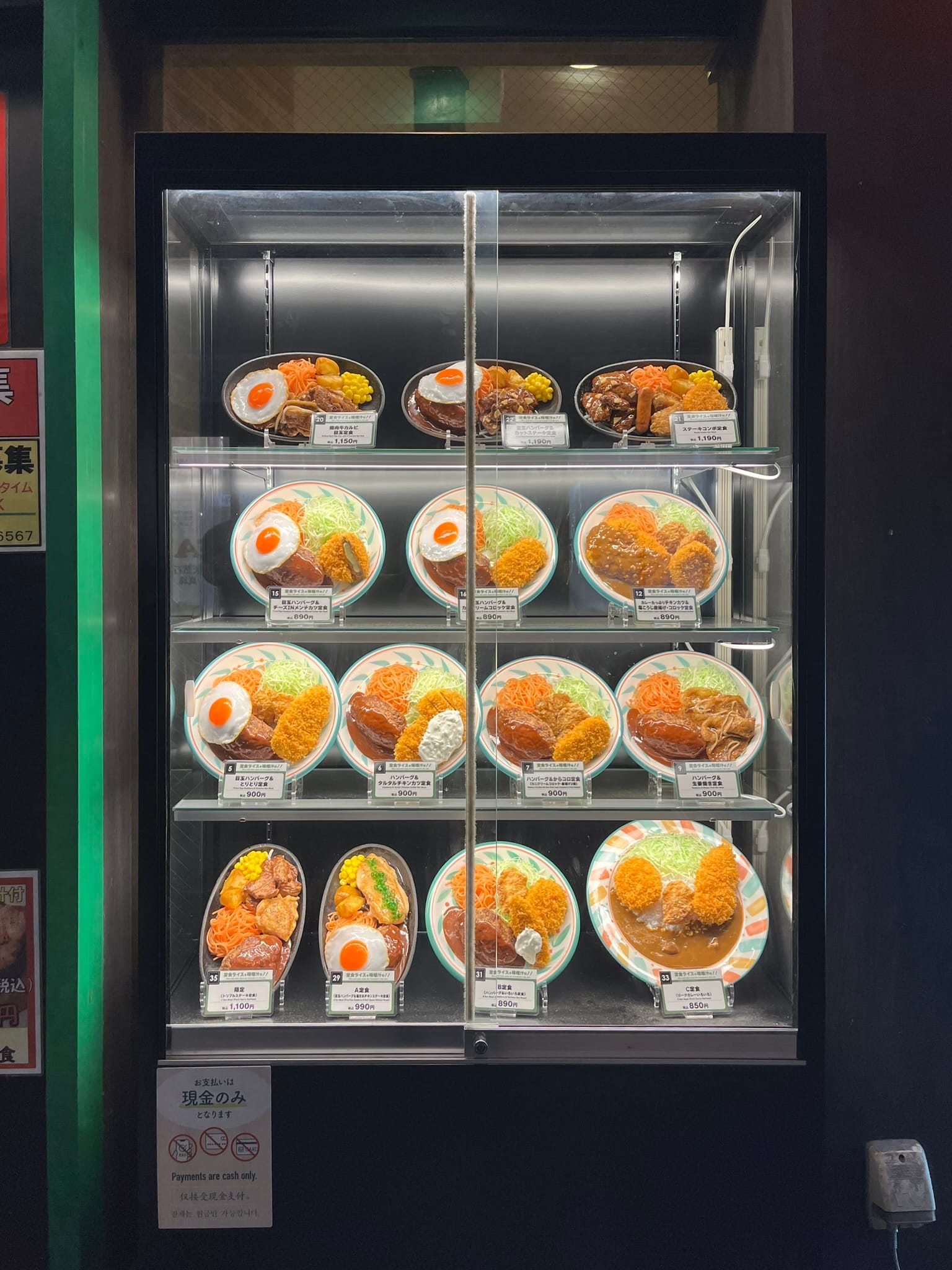
Another feature of Japan often depicted in anime is the vending machine. Japan loves their vending machines, and there are vending machines for everything. They are even displays used as a sort of "menu" outside restaurants to grab a meal ticket or for passersby to see what they serve.
Cash is King
As we learned the hard way, many businesses are still cash-only (but more on that later – see "The Language Barrier is insane").
What I discovered about their point-of-sale is that the Japanese now use a sort of automatic machine that takes your cash like an ATM and then spits out the change. No contact needed between cashier and customer. Nifty, eh?
Once, after dining at Saizeriya, we waved at our waitress for the bill, and she gestured for us to pay at the front. As it turned out, this meant leaving us alone to finish the transaction by ourselves. Cash in, change out. Simple.
No one batted an eye as we left, and no one came to check if we had actually paid or not.
Silence is Virtue
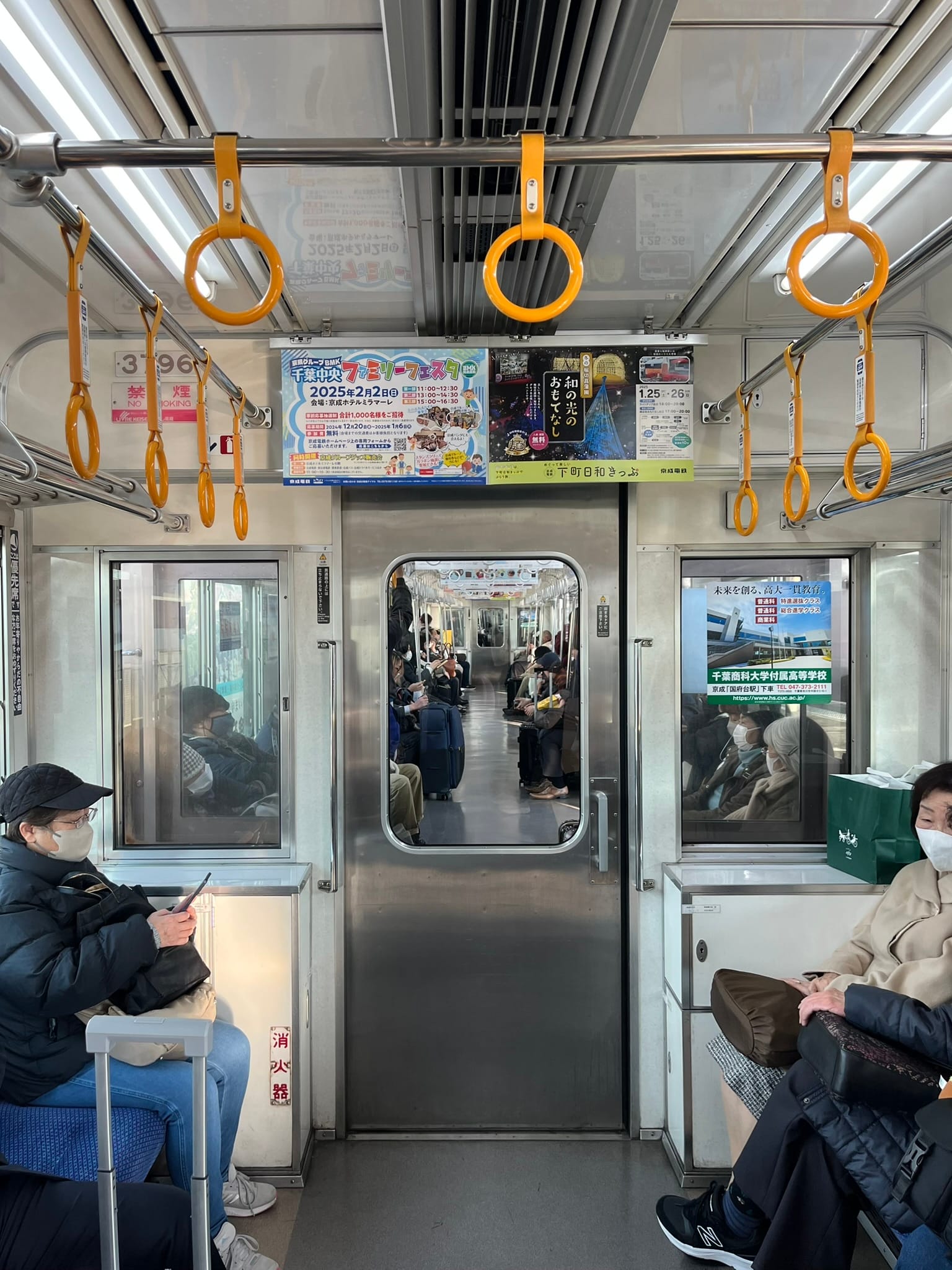
When my mom and I first stepped onto the subway into the city from the airport, the weight of the silence was palpable.
You could almost hear a mouse squeak, how quiet it was. This is a distinctly Japanese thing, to not speak loudly or do anything rowdy on the subway and rail lines. It's considered rude and inconsiderate to other passengers.
Even talking to someone on the phone feels like a risk. Have you ever seen that YouTube video of a Japanese salaryman trying to drag a drunken white man off the subway line after (presumably) his favourite sports team won? Yeah. That's how serious it is.
That being said, I did see Japanese people talking to their friends on the subway in the next few days, so regular communication is allowed. Just be wary of your decibel levels, lest you become the infamous example of what not to do on vacation.
When in Rome...
The Language Barrier is Insane
Before we arrived in Tokyo, my mom and I both thought we would do better than we did with the language. After all, we both speak English and Mandarin Chinese, and many characters are written the same way and mean the same thing in both Chinese and Japanese.
Tokyo proved to me you should never be too cocky. Even buying a ticket for the right express train into the city from the airport was a challenge. People milled everywhere; the lineup for the ticket counter went around the corner; and my Google Maps was set to English romanization, which didn't help with matching to Japanese characters on the signboards.
(Even if I'd switched Google Maps to Japanese, it wouldn't have helped much because I didn't know how to input the characters.)
Add to the fact that a second language like English is not part of their traditional curriculum, and now we were international tourists in a homogeneous country where the most useful navigation tool is actually Google Translate.
Luckily, workers in busy service areas like the airport or rail stations are trained in enough English to answer inquiries, and, holding our breath, we found the right platform minutes before the next departure.
If you go into any restaurant or shop, especially in a tourist-heavy area, chances are the workers will have a large iPad with Google Translate on hand. It's the norm; they know it's business. Don't be shy about using it!
That being said, my mom and I almost blew each other's heads off in frustration that first night in Tokyo. After more than an hour's ride on the train and a hefty 30 minutes trying to lug our overly heavy checked luggage up the non-accessible subway station exit, we were pooped.
So we explored the neighbourhood a bit and decided on a quiet semi-hidden restaurant alley near Asakusabashi Station. We wanted to dine at this small ramen bar, the kind that screams local, but the chef didn't speak any English. Fortunately, a girl sitting at the counter did, and she directed us in perfect English to the self-ordering machine outside the door. Unfortunately, the machine was in Japanese and cash-only. Our foul moods were increasing fast.
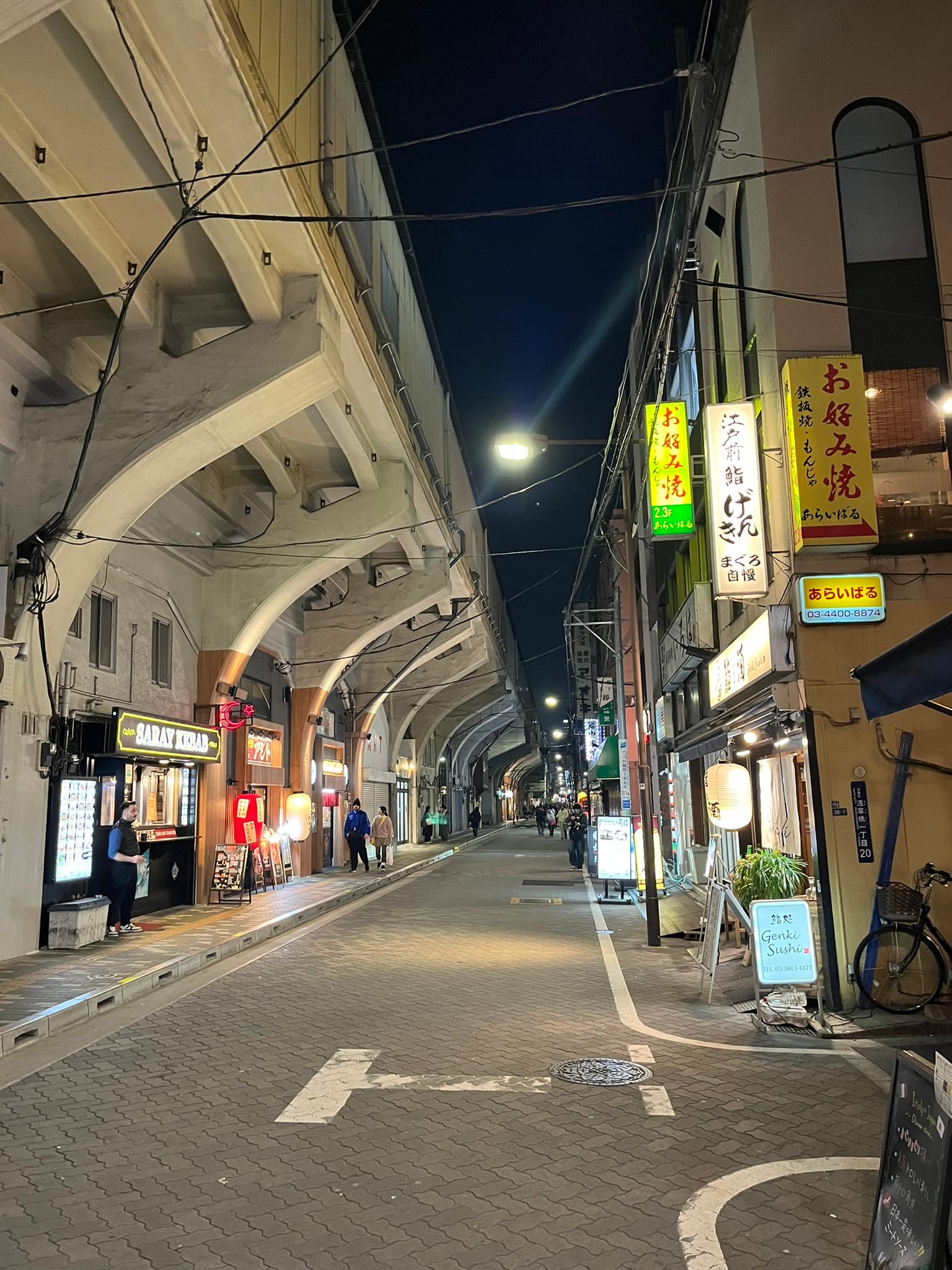
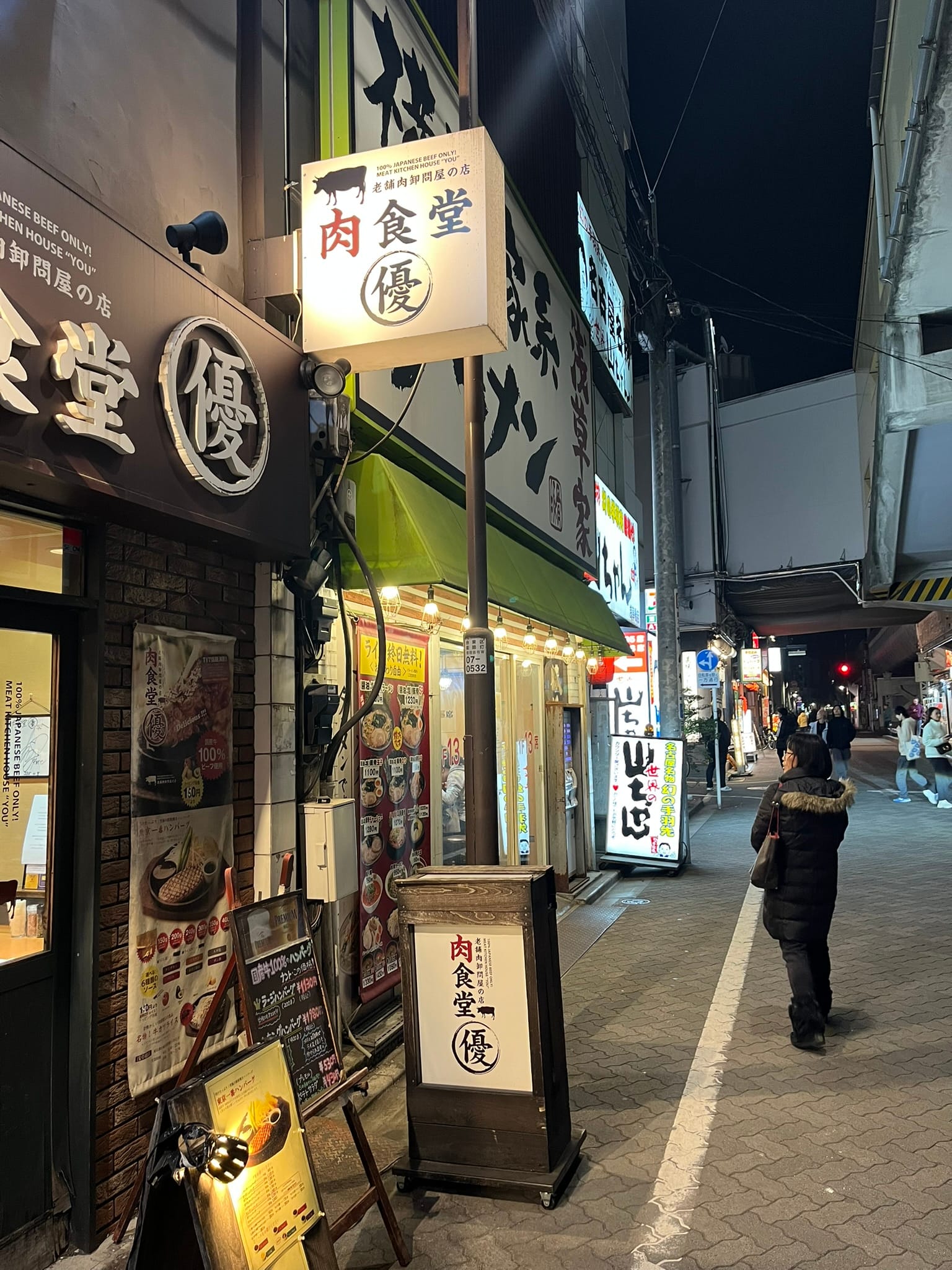
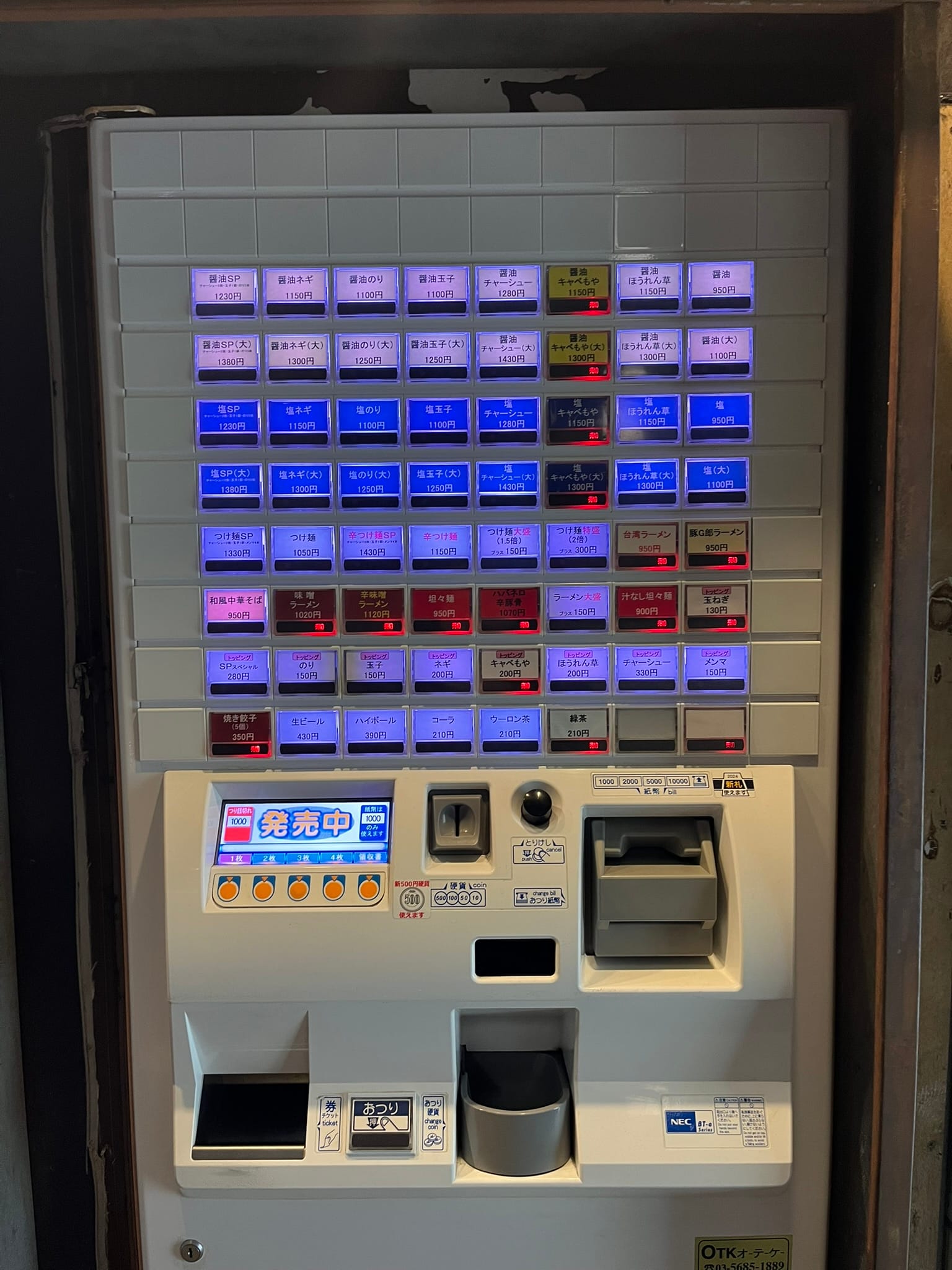
We went to the mini-mart nearby, and I spent hundreds of yen in exchange fees taking out cash from the ATM.
Mistake #1 in Japan: Assuming cards can be used anywhere.
When we headed back to the ramen bar, we spent several more fruitless minutes trying to figure out the darn thing. I don't know why we didn't head back in to ask the girl. A man lined up for the machine behind us, and we moved aside for him.
We were both too hangry and upset with each other to try any further, and when we turned to go, the girl and her family stepped out, probably confused as to why we were leaving. We ended up grabbing dinner at a fast-food franchise with an iPad menu and English translation.
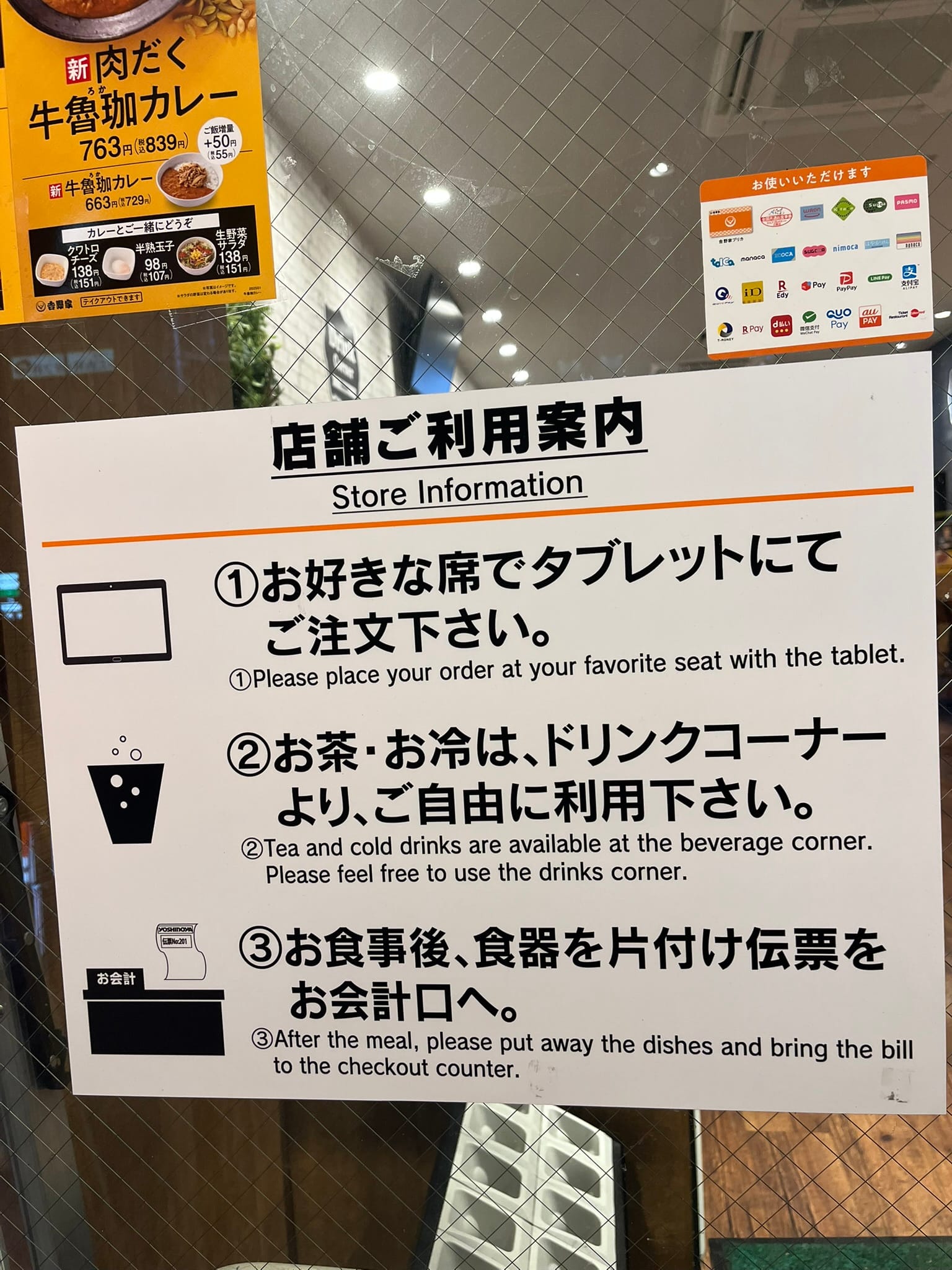
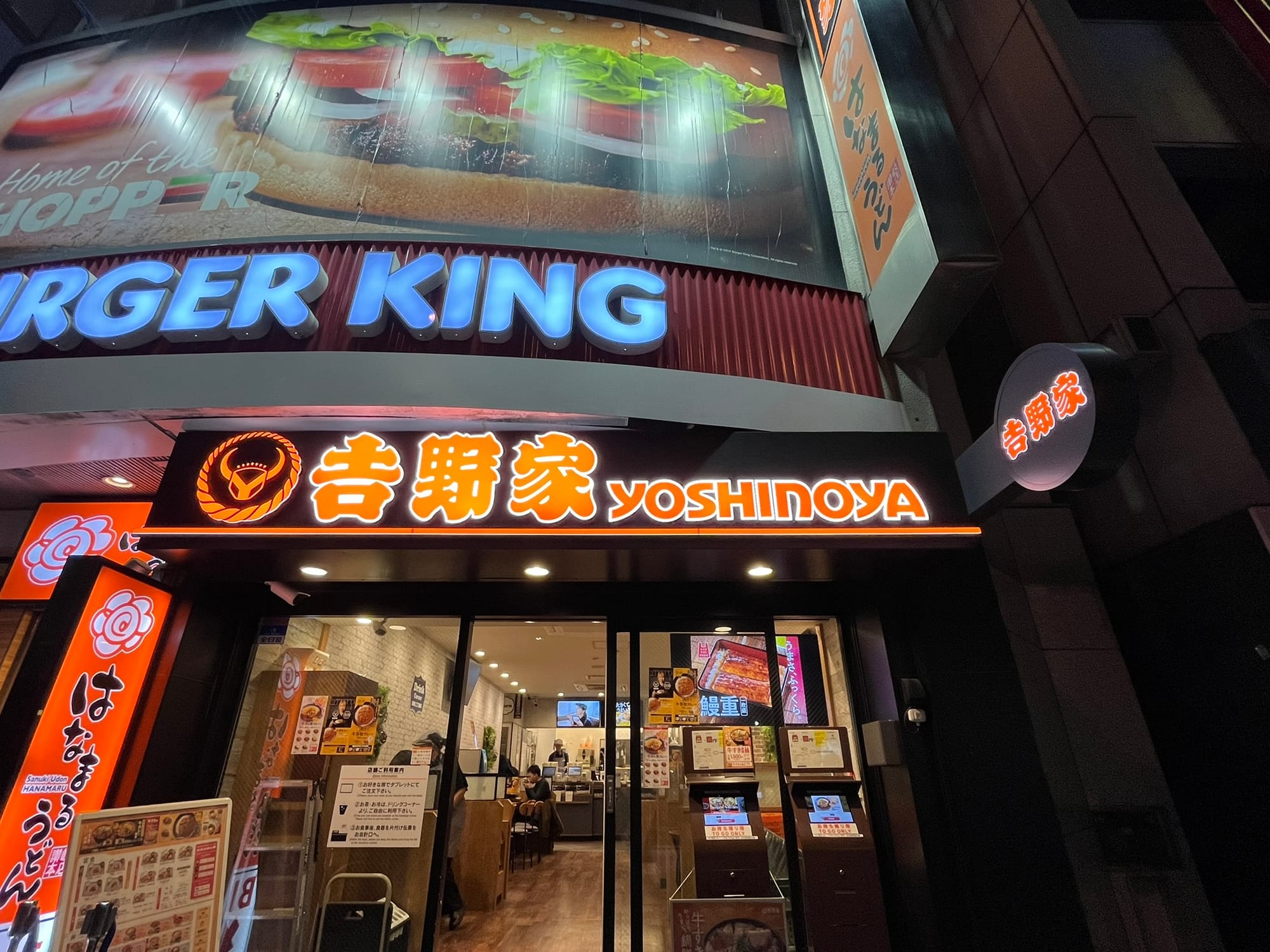
Not the most sparkling moment of my first time in Japan, but a lesson learned.
On our stopover back from China, we implemented some other techniques. I'd downloaded DeekSeek in China, and I used AI for the first time (for anything!) to translate a Japanese sign in a subway station to figure out whether we should go on the "clockwise" or "counterclockwise" route. It worked like a charm.
We also discovered that, like Chinese people working in Japan, many Japanese also harbour a good grasp of Chinese – even more so than English. Once again, the simplest thing stopped my mom and I in our tracks: figuring out which button to push in an elevator to get to our train platform. A man wheeled in with his suitcase and, seeing the labour in our expressions, spoke to us in relatively smooth Mandarin, "Chinese?"
We exclaimed yes gratefully, and he kindly pressed the right button for us to catch our ride to Haneda, along with giving us directions.
Introversion Done Right
In a massive city like Tokyo, they certainly do one thing right: the considerate odds and ends for the single and/or introvert customer.
Consider this desk plate I had when we dined at Yoshinoya.
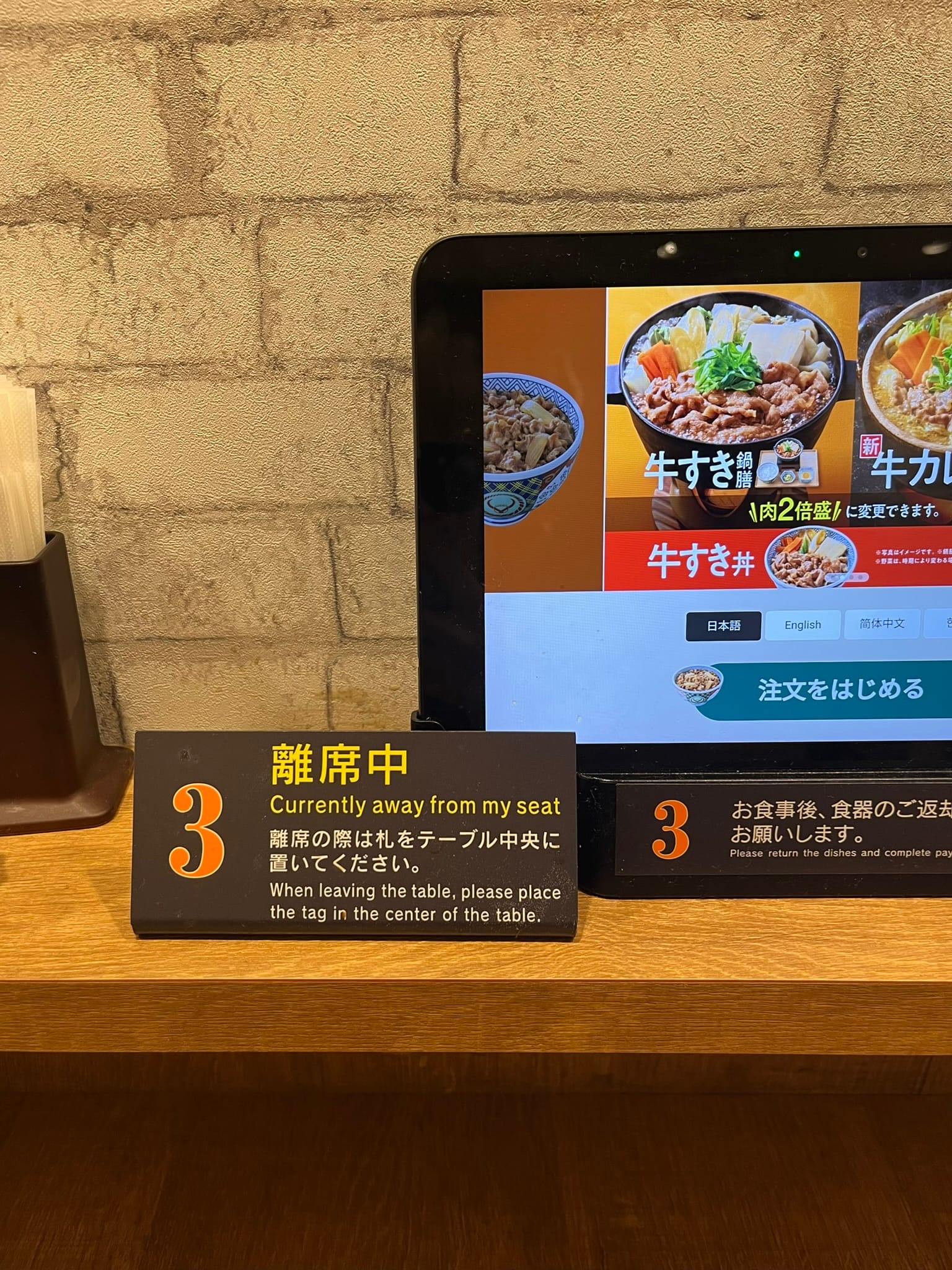
I noticed that most of the other customers were salarymen returning home from work. It's common in Tokyo to live and dine alone much of the time, if Japan's alleged loneliness epidemic hints at anything.
My, oh my, is it convenient, though – these little signs. I wish stores back home ensured this level of comfort and safety; it's a simple thing, but it works wonders.
Now the solo traveller or the lonesome businessperson has no need to fear if they wander off to the washroom but haven't finished their meal yet.
You'll Find More English in Shopping Malls
Speaking of English (pun intended), a good place to find English-speaking workers are major tourist shopping malls like the high-end ones in Ginza. The main three languages these places hire for are Japanese, Chinese, and English, and they especially love young workers who have studied abroad.
Ginza is Pricey!
We spent a significant amount of time in Ginza, not less because my favourite Japanese skincare store, HABA, is located there. Ginza is an automatic hotspot for tax-free shopping, fine dining, and its proximity to major attractions like teamLAB Borderless.
Of course we knew this going in, but neither of us expected the prices to be quite so high, especially considering currency conversion.
Our second day in Tokyo, after more indecisive food-shopping, we stepped into a bustling restaurant inside Mitsukoshi Ginza with a skyline view of the city. They served traditional Japanese-style "sets," with tiny bowls and platters of a variety of vegetables, fish, and sides.
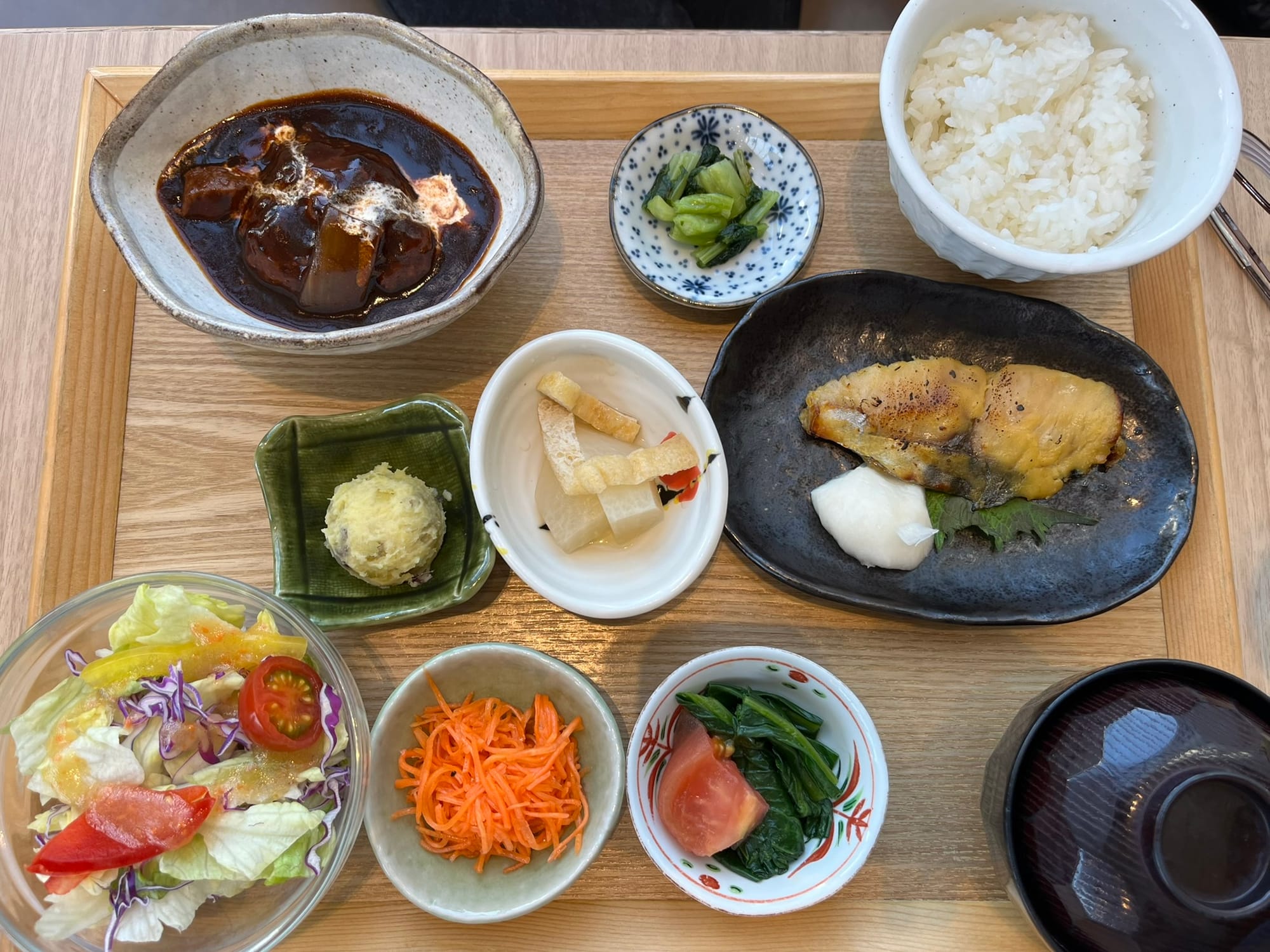
One set looked large enough in the pictures to feed both of us, so we ordered one. We underestimated how small Japanese portions are. We ordered another after finishing the first, and then we realized – actually, yeah, one set was enough. (You always have to wait a bit after finishing a meal for the "fullness" to settle in.)
Those two sets plus a mochi platter cost us around C$70! This wasn't the land of cheap and delicious food I'd heard about (but it was delicious, at least).
I Fell in Love with Shopping
I had a phase in high school when I shopped till I dropped, but it faded pretty quickly after I became responsible for my own finances. And, the longer I worked in a mall, the more disillusioned I became with retail.
BUT. Major but. There's something about Japan.
Something so creative living through their fashion designers' and artists' work. Something that actually fit me in size. Something so well-made.
Because Japan has been the peak of industrialization and innovation for years, its citizens know what's quality and what's not; there's no fooling the Japanese. Even H&M sells better clothing in Japan than what they ship overseas to Canada.
If you're in Japan, though, I highly recommend you focus on the local brands. They're better-made and better-designed. Some examples:
Samantha Vega – the girliest, most youthful handbags you'll ever see. Frequent collaborations with major IPs like Sailor Moon.
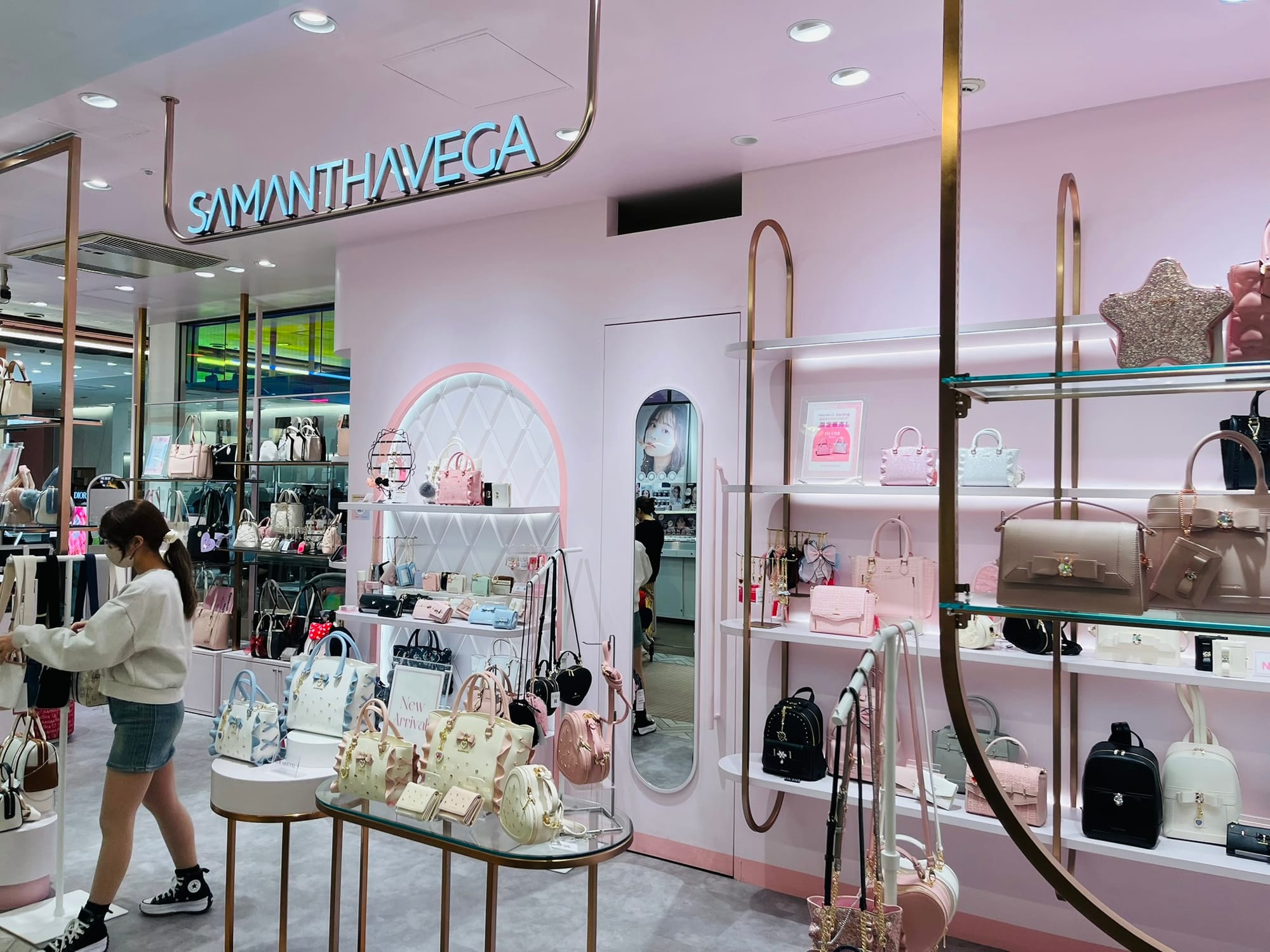
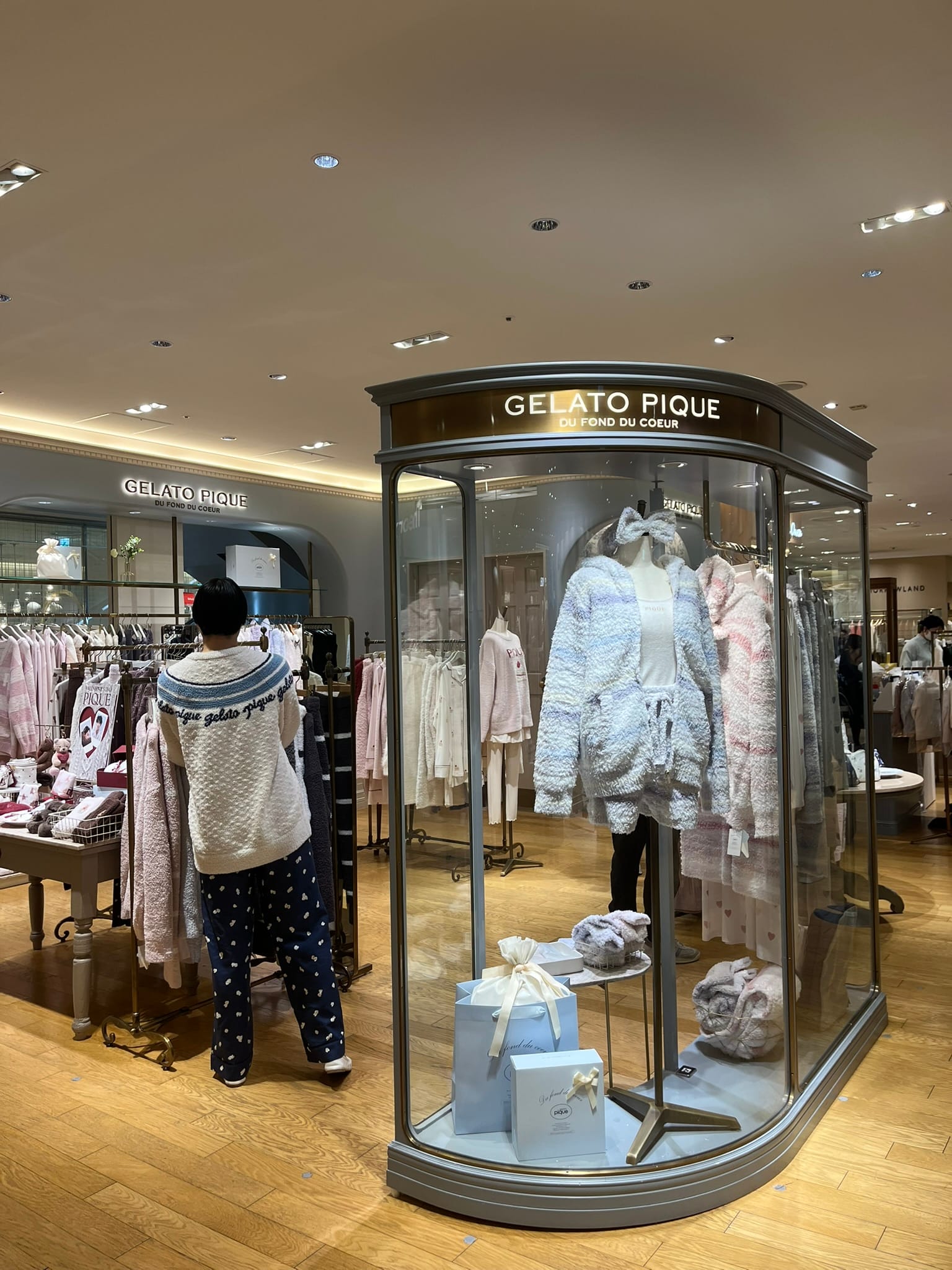
Gelato Pique – soft and fluffy pajamas with unique designs.
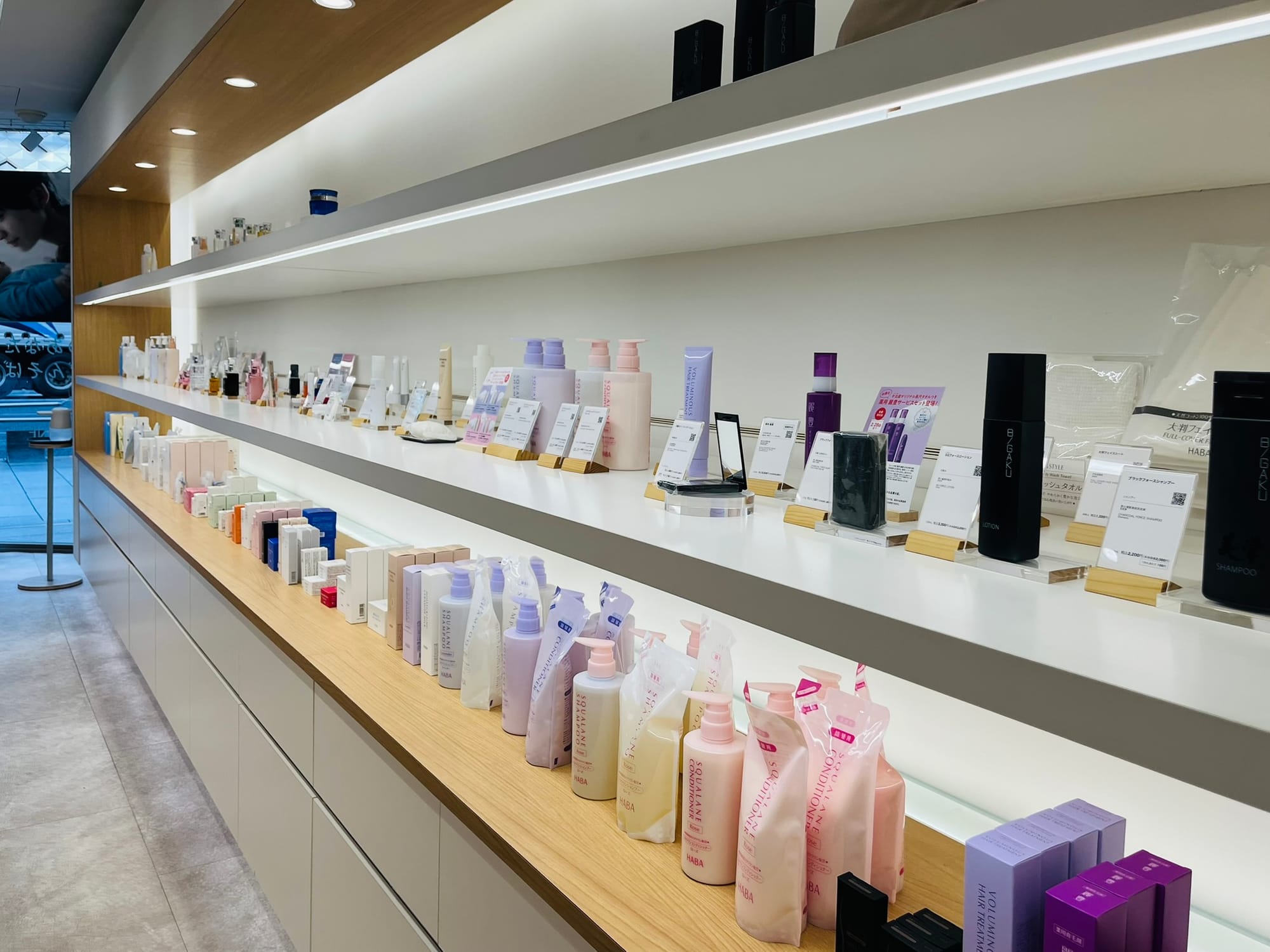
HABA – mid-luxury skincare stripped to the basics; no preservatives, fragrances, or irritants in any of their products; many items are safe for pregnant women.
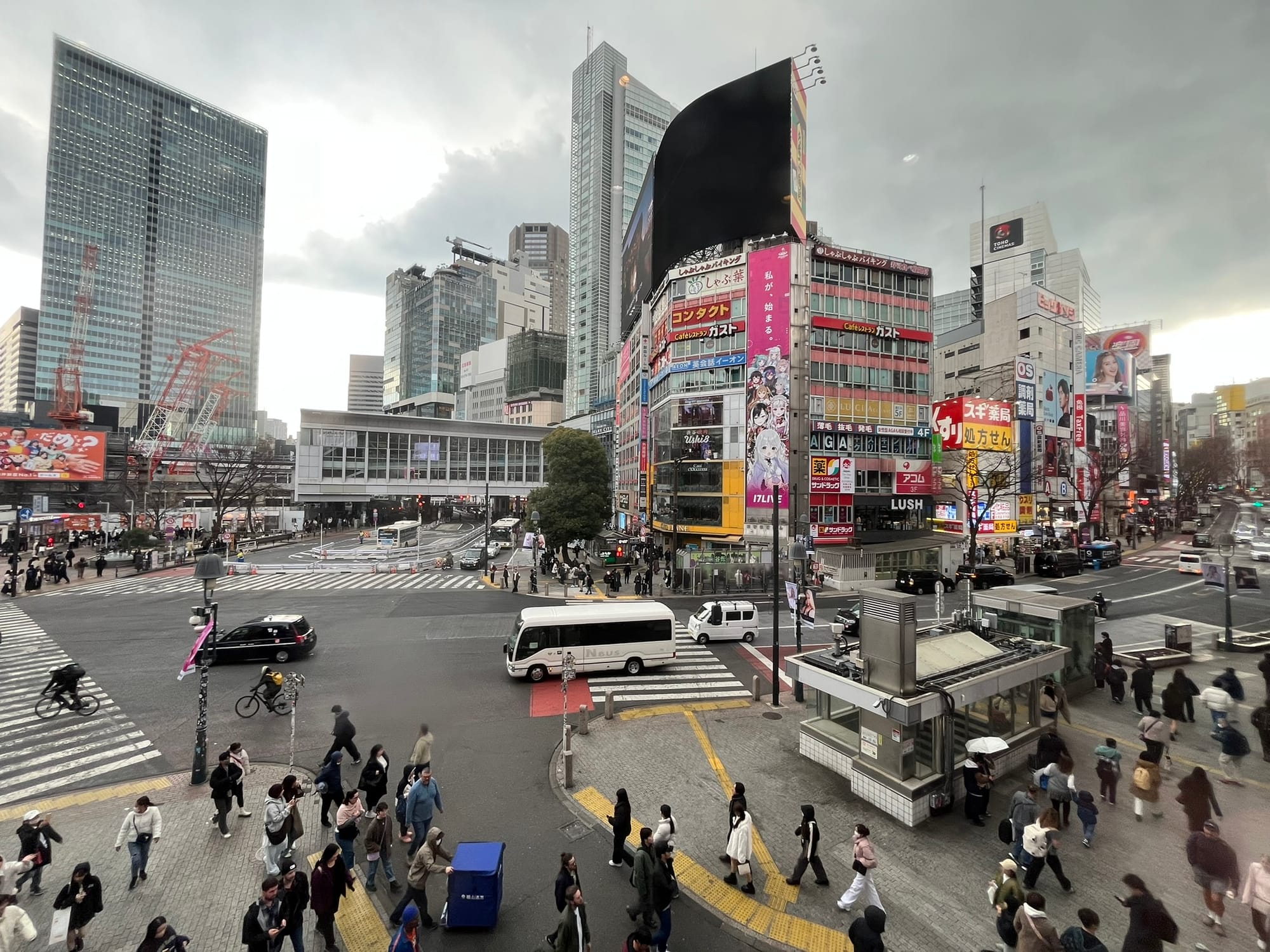
Instead of a few huge malls, as is the case in Canada and the U.S., Tokyo has more compact but widespread malls, each with their own identity. SHIBUYA 109 is a popular one that caters to trending fashion in a mixture of kawaii, gothic, Lolita, and casual clothing.
Don Quijote across the street is a must-visit for buying popular Japanese products in bulk. You'll find all the big Japanese sunscreens and vitamin C serums there, as well as cute charms, phone accessories, sex toys (you heard that right), and more across its seven-floor building.
The atmosphere for shopping is great. There are people around! Lots of them! The famous Shibuya Crossing is literally a wave of humans moving in all directions – again, just as advertised.
Everything is reasonably affordable, too, unlike in China where the cost of a jacket online versus in-store could be the difference between a bubble tea and a month's rent. In Tokyo, the prices in-store versus online are similar.
Another caveat: since COVID-19, the streets of China have quietened significantly. Once booming shopping malls are now deserts in the middle of the city. Not so with Japan. Tokyo's large population is easy to see day in and day out.
Simply put, shopping in Tokyo is convenient, affordable, and so much fun!
Underground Shopping Heaven
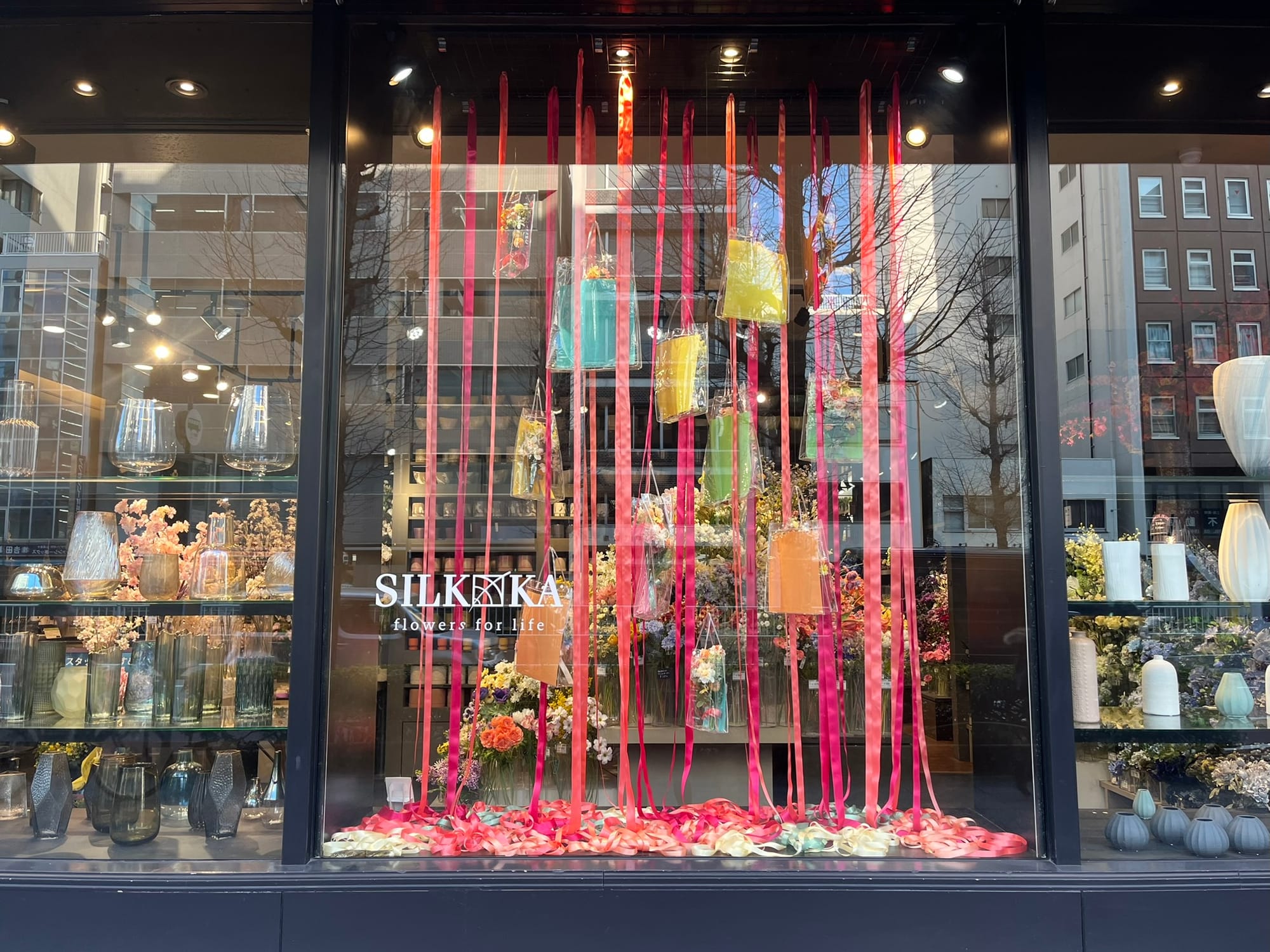
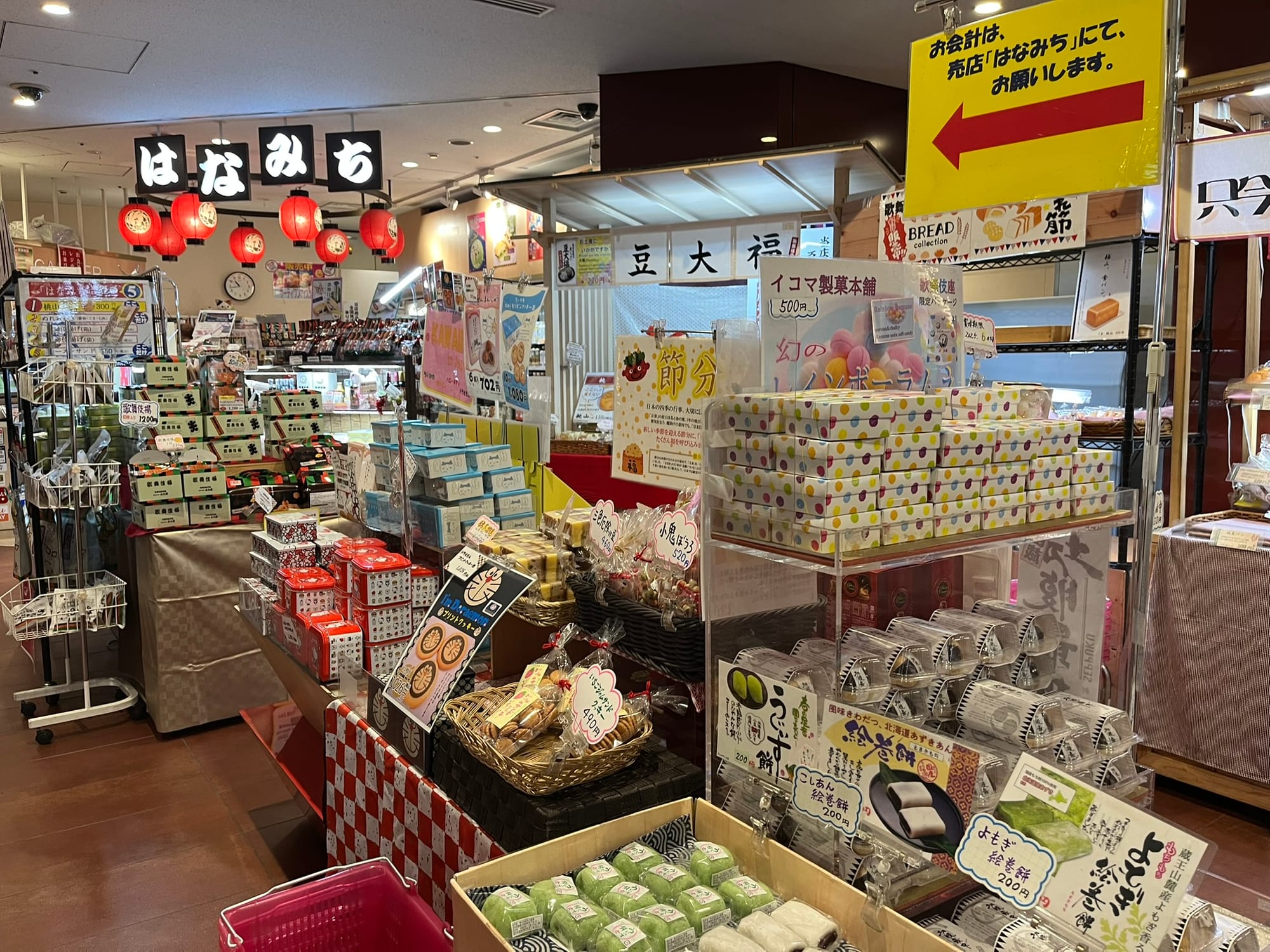
Instead of leaving their subway routes empty and dilapidated, as is often the case with underground tunnels and pathways, Tokyo has monetized most of their large connection stations with a whole range of goodies galores – mochi, pastries, clothing satellite shops, boutique gifts, flowers, and more.
You never know what you'll find. It's a literal shopping heaven, and in a city that utilizes its public transportation to the max, it's a must. Businesspeople and workers travelling from one end of the city to the other can find a savoury breakfast deal or after-work snack right between platforms – saving on time and energy.

"Super Urgent" Trains are Super Confusing
Japan is famous for their widespread subway and train system, but it's incredibly easy to get lost on the tracks as a foreigner – ironically, due to their precise timing.
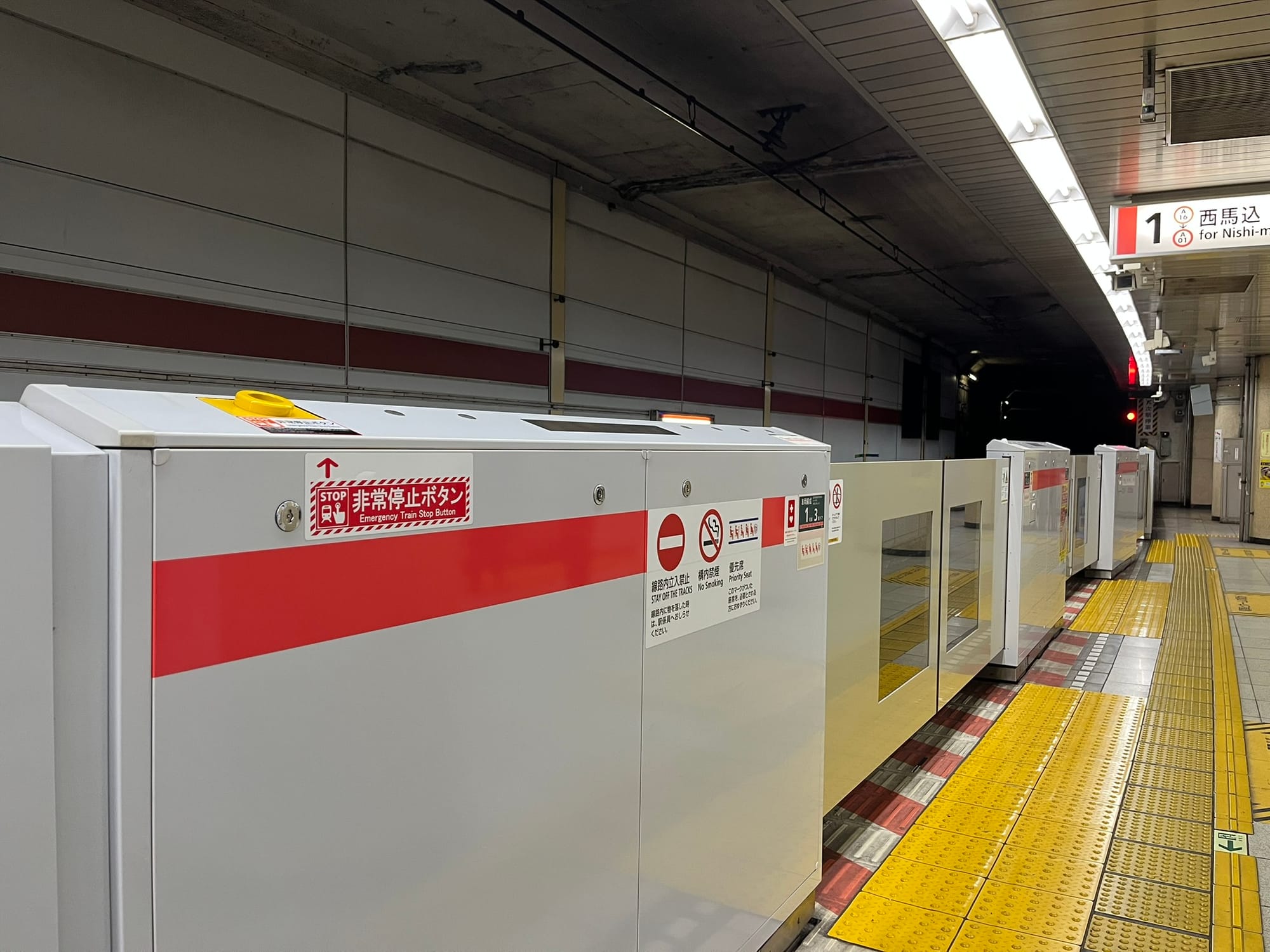
If I searched a route on Google Maps one minute and then the same route five minutes later, I would get almost entirely different results. That's because there are more subways and trains than individual tracks, so besides staring intently at the digital sign above the train car, you also have to make sure the time is right.
They're really not joking when they say the train will come at 10:13 AM. The train will come at 10:13 AM. If you get on the one that comes at 10:10 AM, you might be headed in a completely different direction.
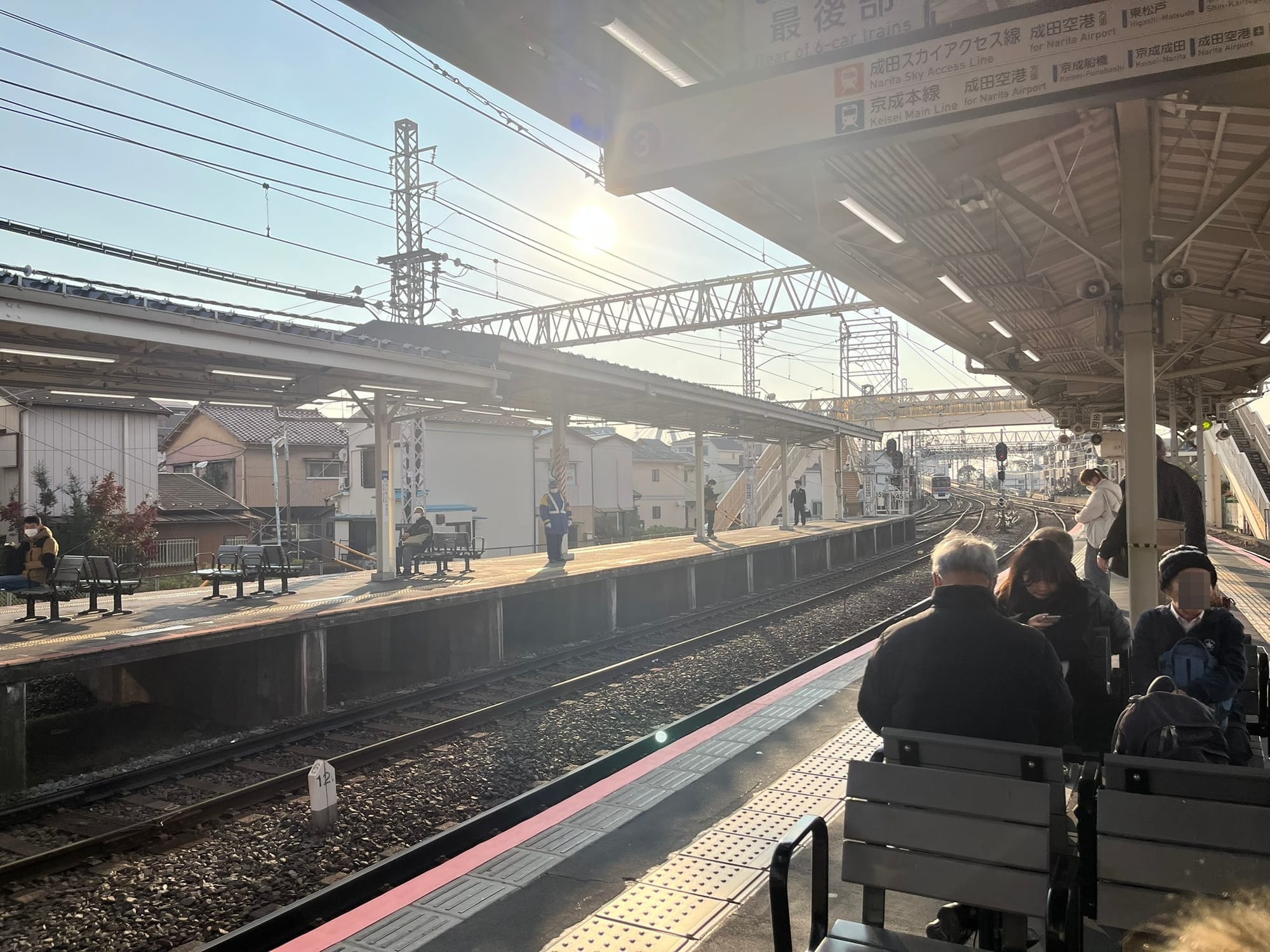
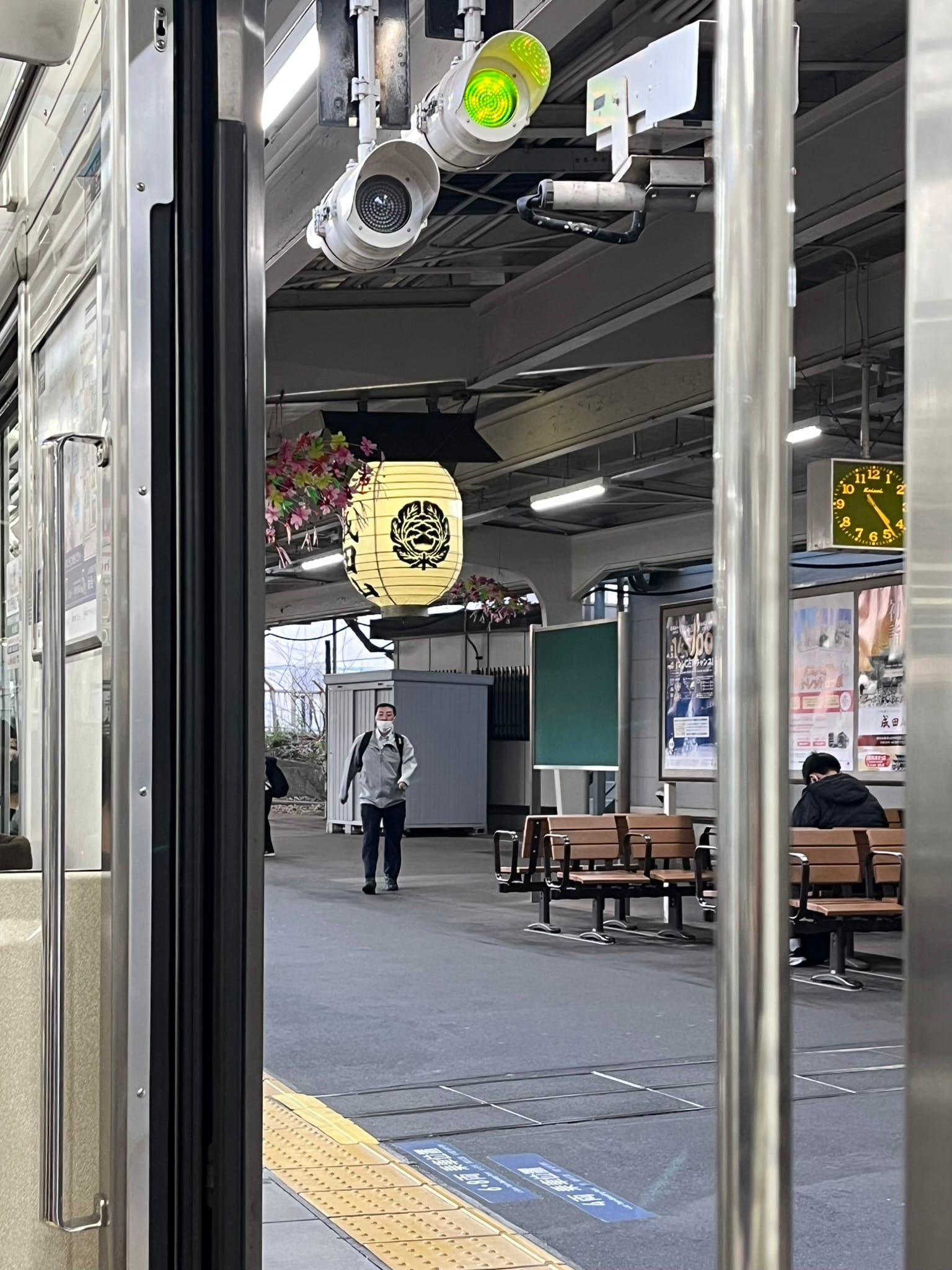
Then there are express trains, which only stop at major platforms. It's funny because the Japanese characters for "express" is 特急, which in Chinese means "super urgent." See? We can extrapolate meaning.
Sometimes there are multiple routes of the same express train, one that stops earlier and one that goes further (eg. to the airport). So you have to be really diligent about mapping out your route in Tokyo.
If you're unsure, just ask a platform attendant. Mine literally pulled out a timesheet and clarified the next train to the minute.
Haneda Airport is Amazing
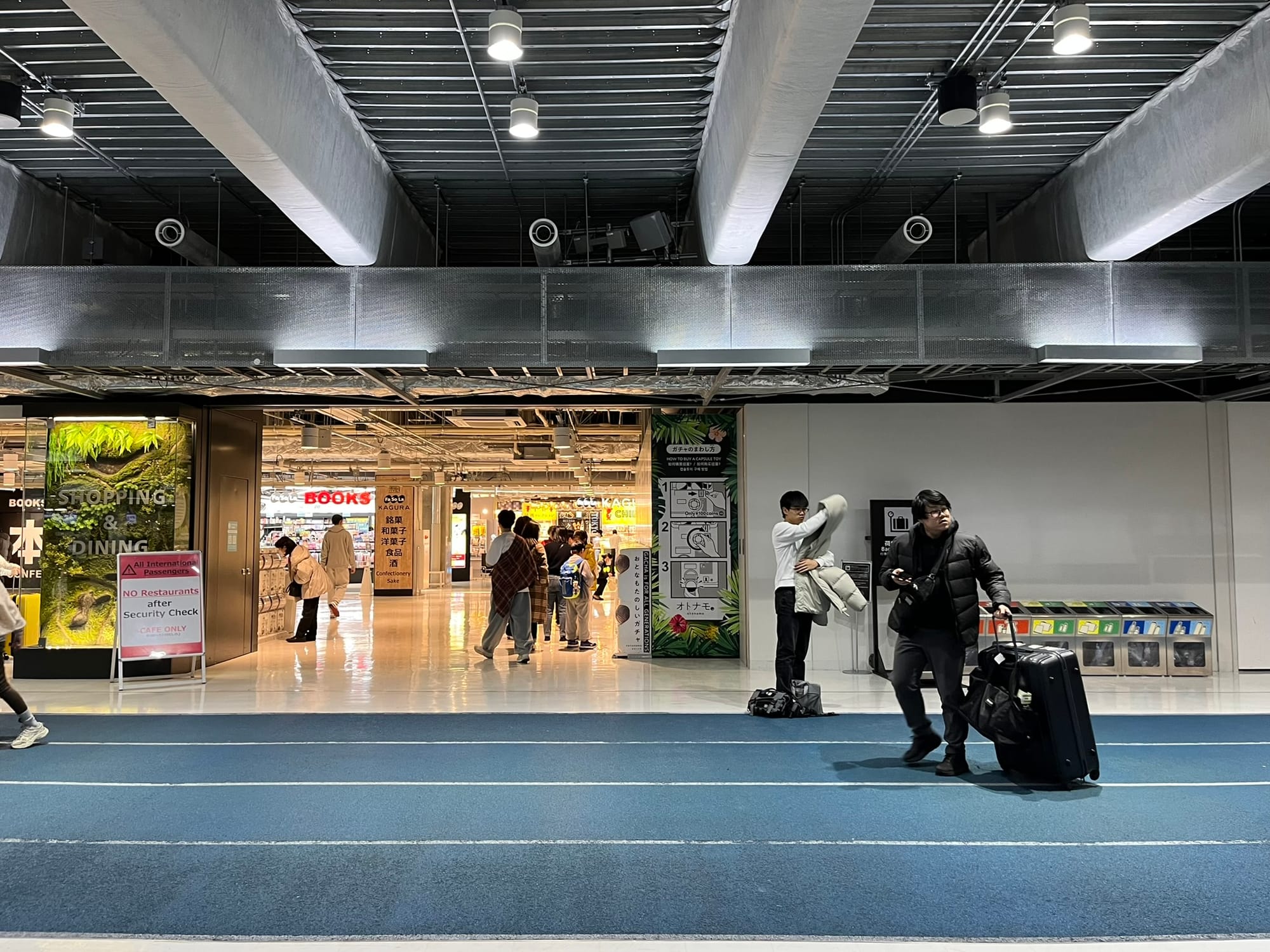
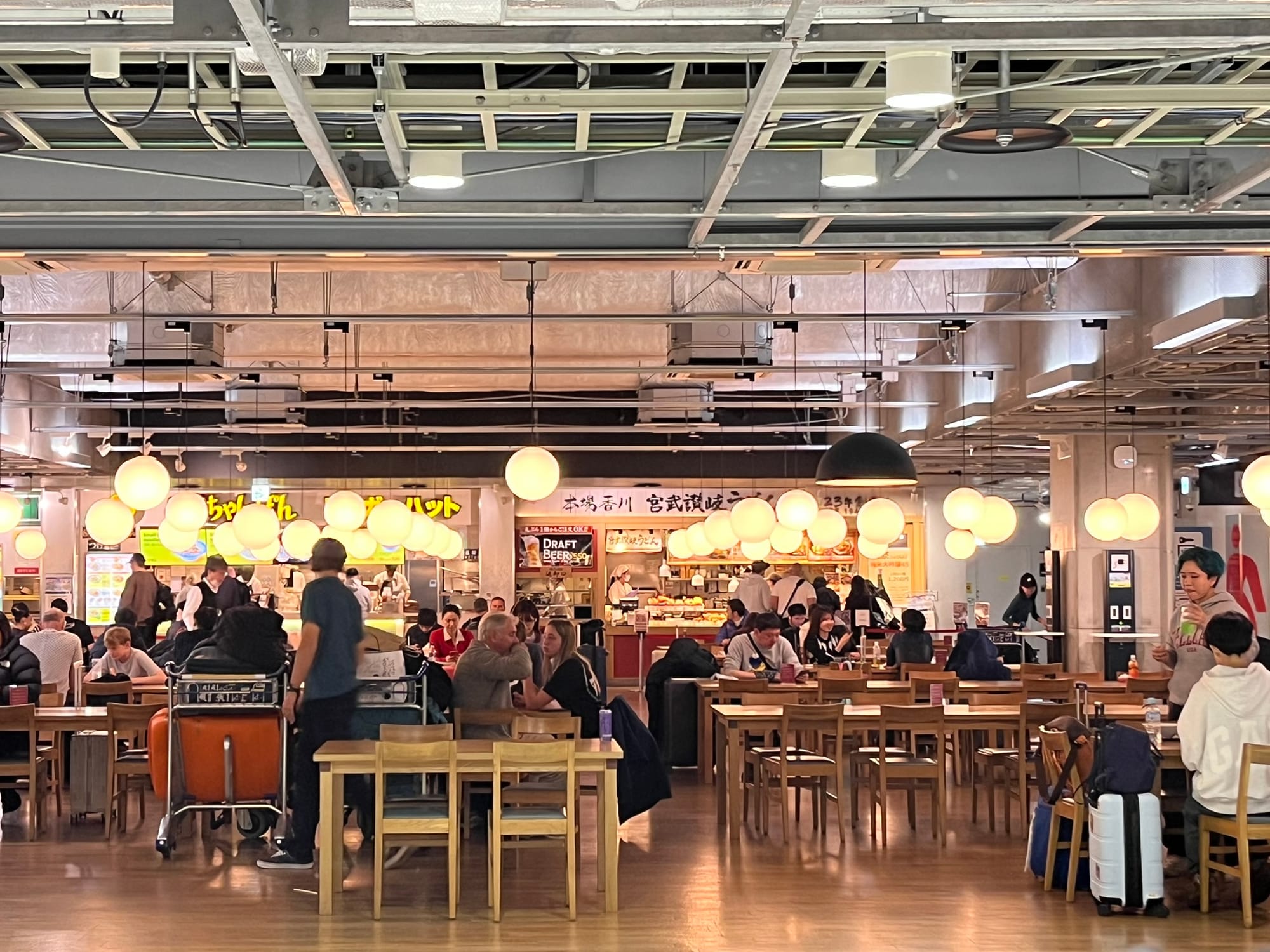
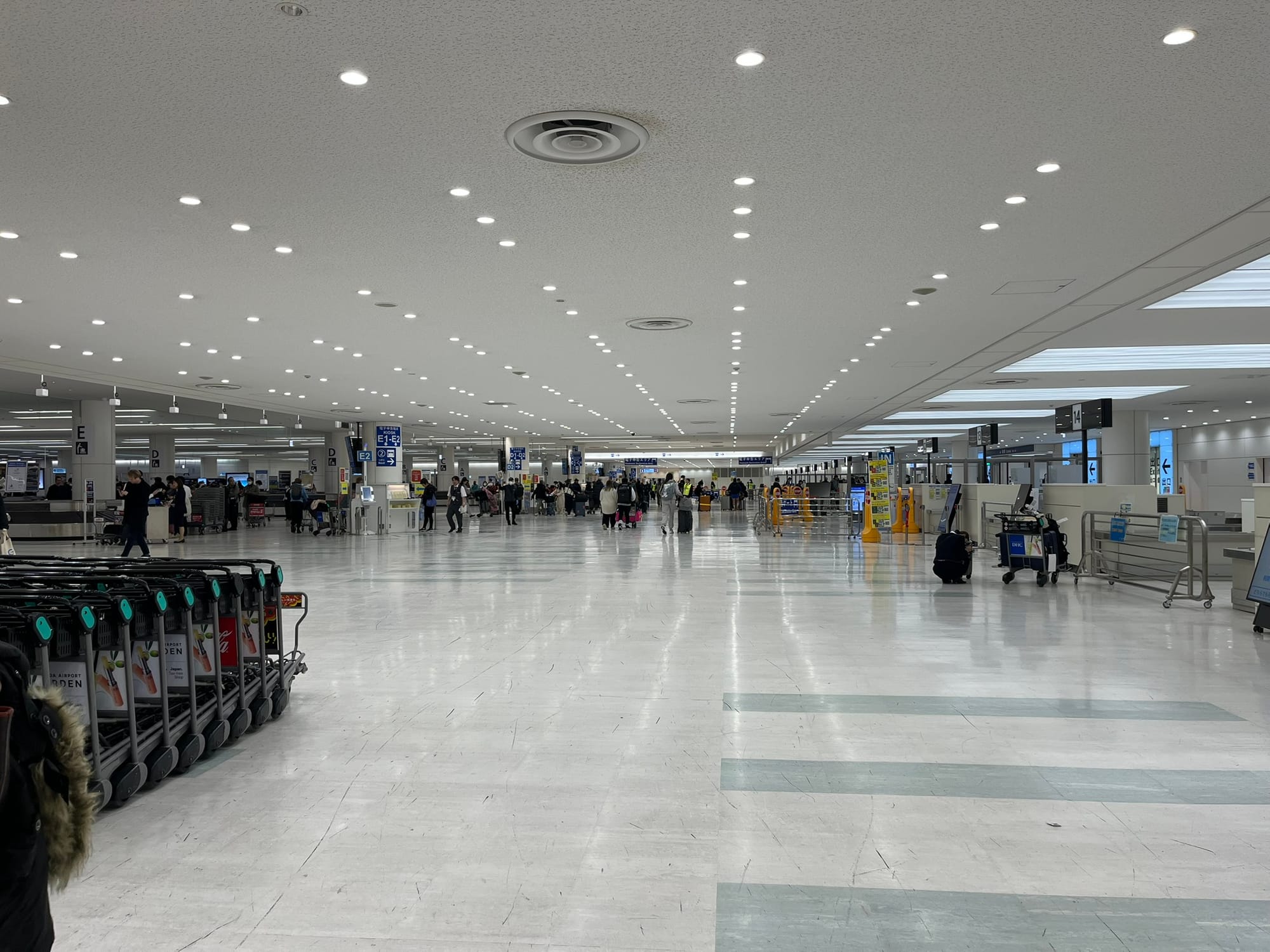
I haven't seen Singapore Changi Airport yet, but Haneda Airport is amazing in its own right. It's huge, clean, and features an outstanding array of boutique and mainstream food joints, retail stores, and even an onsen!
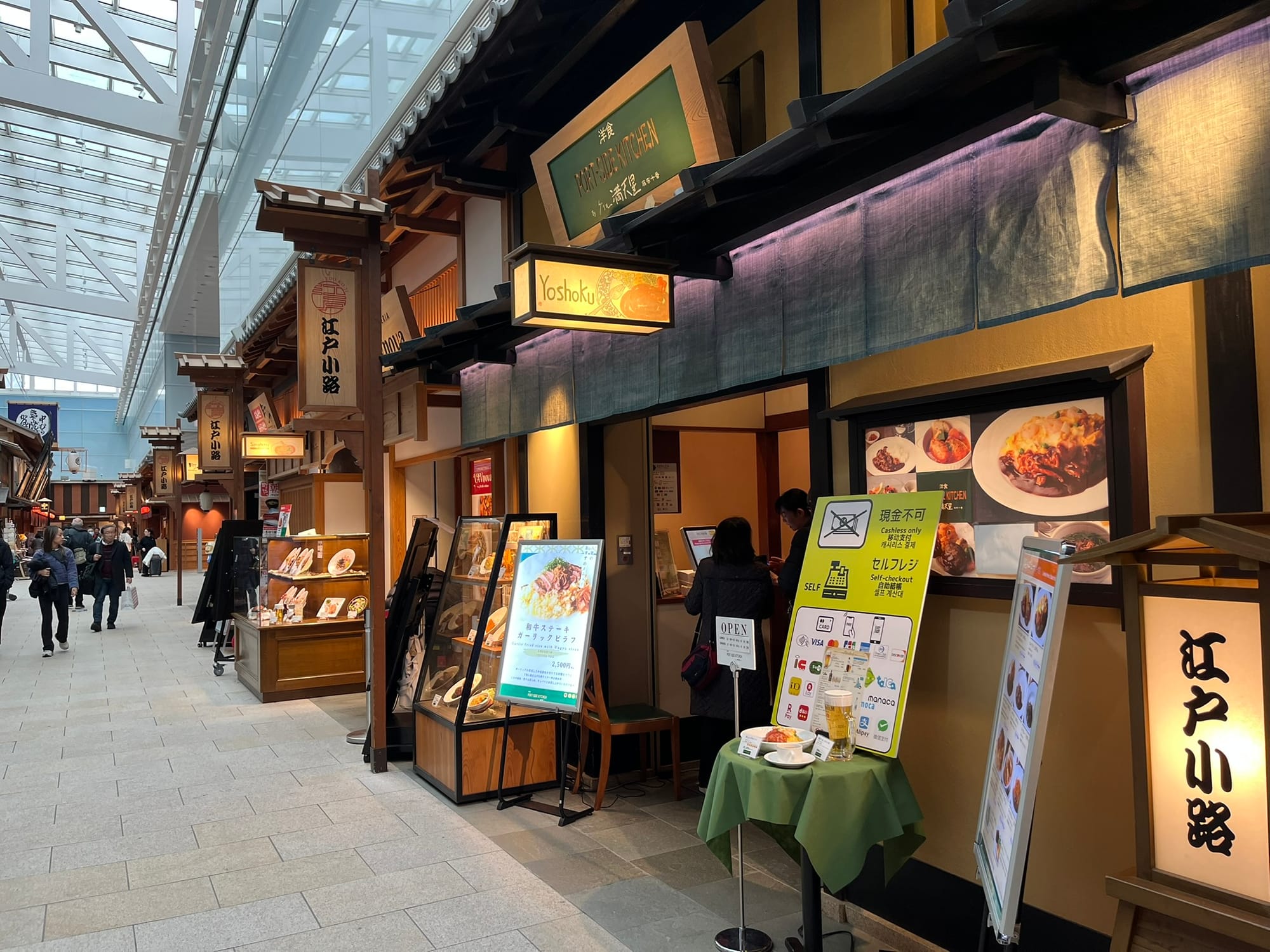
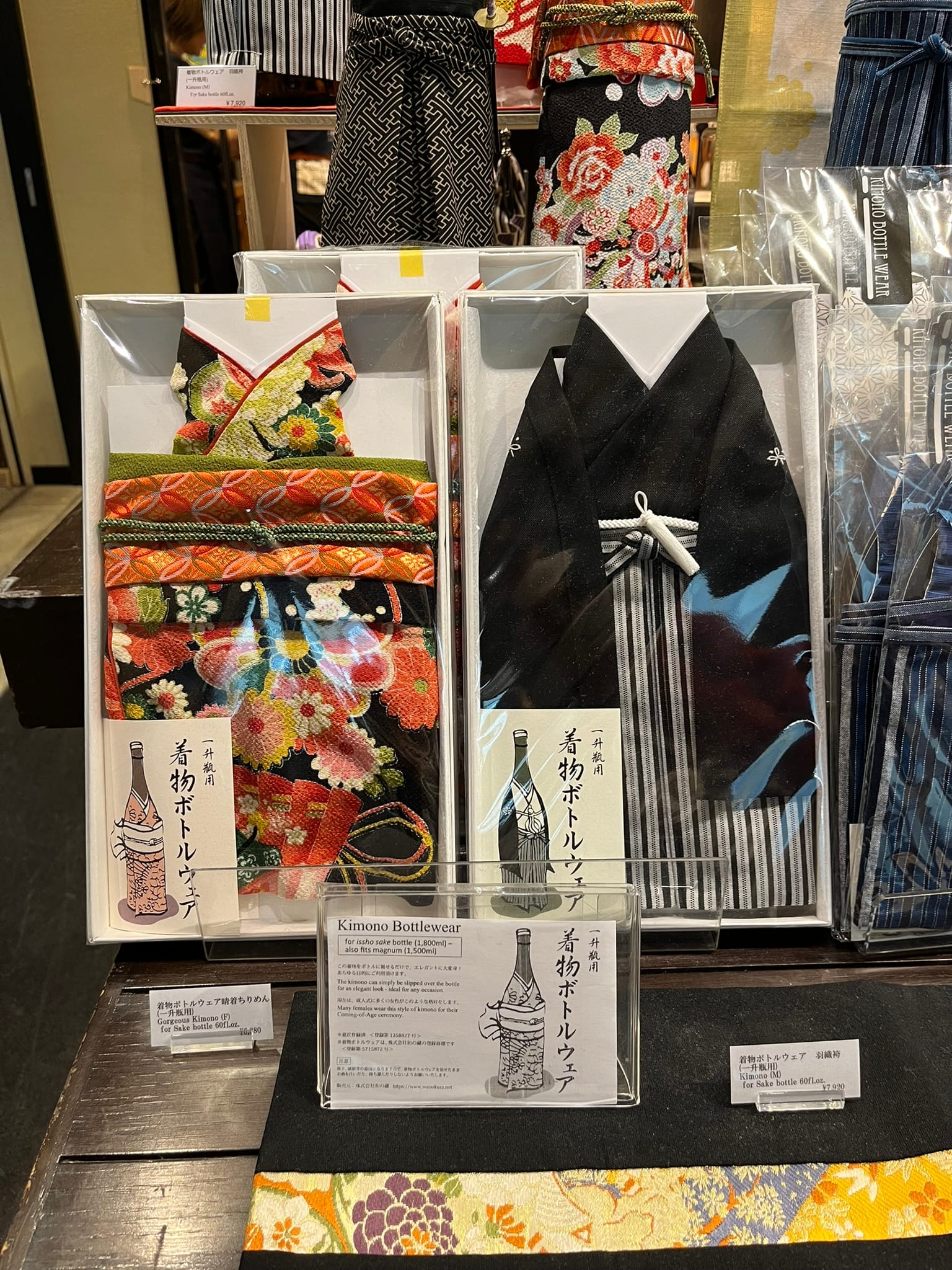
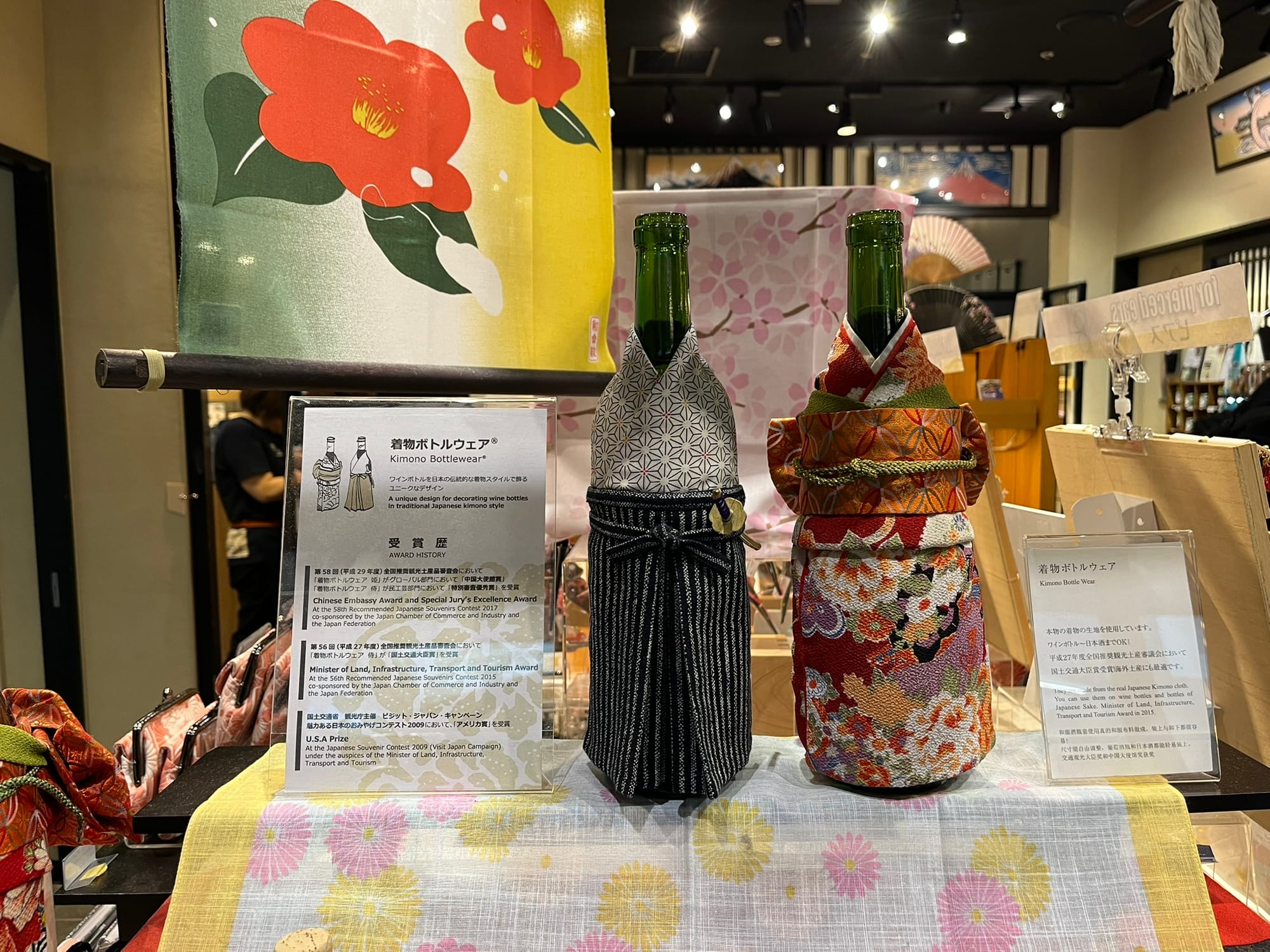
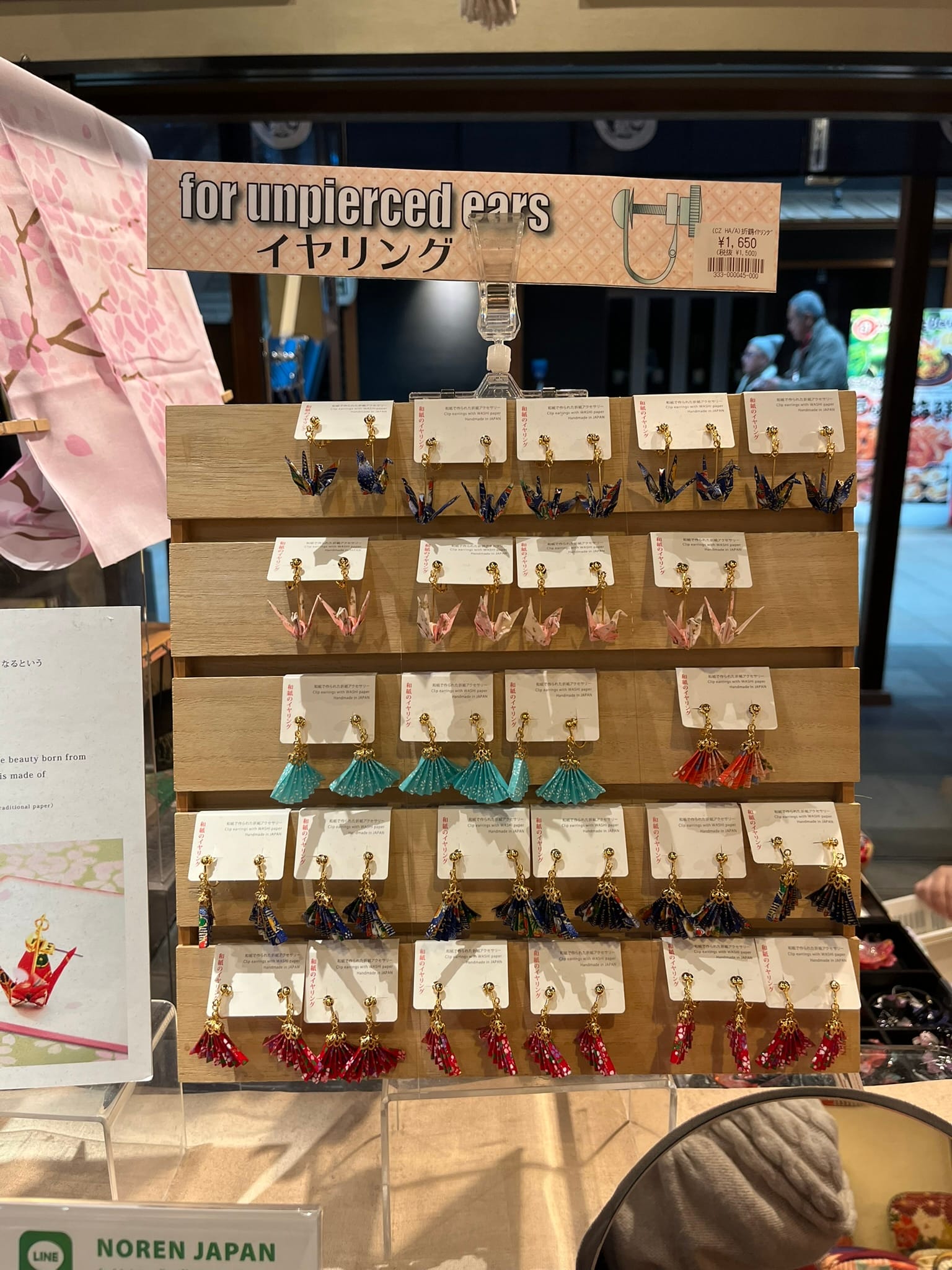
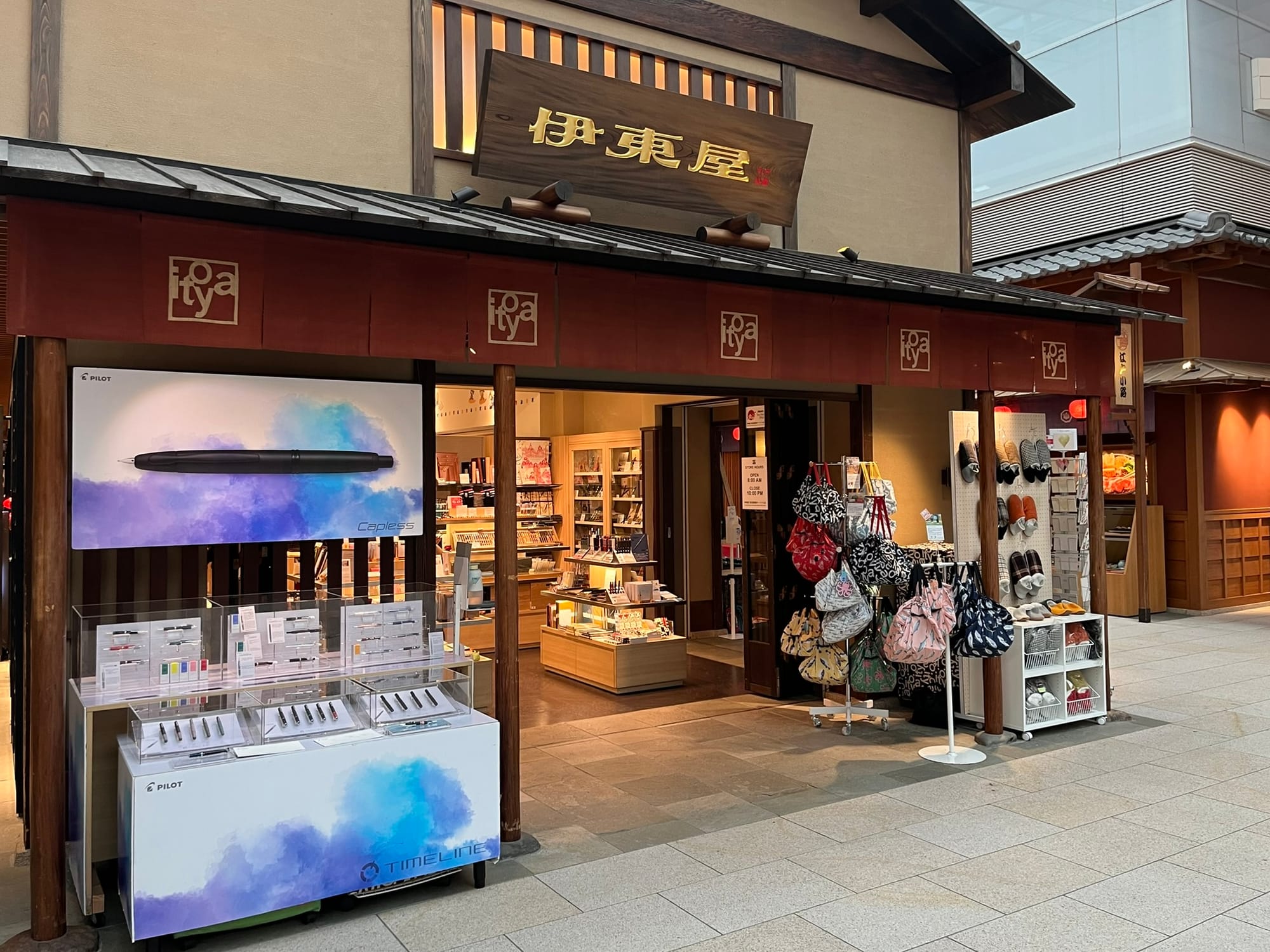
The shopping experience at Haneda (before you pass security) may even be better than shopping in the city. Honestly, you could do all your souvenir-buying right at Edo-koji Street in Terminal 3. There are such delights like origami crane clip-on earrings, yukata wine bottle dressers, Furoshiki, fans, the slimmest water bottles you've ever seen...
Remember Samantha Vega? They have a store past security at Haneda Airport too, and they actually offer an additional 10% off the tax-free (10% off) price, though their selection may be different from Samantha Vega stores in the city.
Anyone seen my wallet? I had to hide it before I got carried away.
Bonus Tip: The Cheapest eSIM for Japan
Thanks for making it this far!
As a personal show of gratitude, here's my super-hot, ultra-useful tip for cheap travelling in Japan: buy your eSIM from Trip.com.
Some regional Trip.com websites have different offerings on hand – I don't know why. What I do know is that I bought my daily eSIM's from Trip.com's Singapore site for 5 RMB each (1 GB per day), which converts to about C$1 (and even less in USD!). It seems like the offer is available now on various regional sites.
Check it out: https://www.trip.com/things-to-do/detail/45999298/?curr=CAD
(You can choose your currency preference in the top menu bar.)
If you're just staying for a few days and will be mostly trekking around town, 1 GB is plenty for use on Google Maps and general searching.
They also have longer options, so choose what works for you. Just make sure that if you buy them day by day, get your next eSIM before your current one expires, or head someplace with Wifi.
Summary of Tips & Tricks
- Enjoy the toilets.
- Shop local; shop the traditional market streets for some unexpected finds.
- Always bring more than you think you need in cash to Japan.
- Purchase an IC card (Suica, PASMO) for easy transit boarding.
- Have Google Translate or an AI app ready on your phone.
- More affordable dining and shopping can be found outside Ginza and the main tourist areas. Shop the underground subway paths for great finds.
- Look for "Japan-exclusive" labels when shopping.
- ALWAYS remember to bring your passport with you! Use those tax-free benefits.
- If you see a transit route you like, map it out to a T. Times are strict in Japan.
- If you don't want to shop in the city, shop at the airport. Haneda has a better selection than Narita, but both offer treasures to be found.
These are just my general impressions in a short five-day stay in Tokyo with a parent in tow, and I can't wait to go back for more. I know it'll be a different experience with friends or by myself, but with this first experience under my belt (which I'm glad I didn't do alone), I'll be ready for anything.